

The Pixel 6 and Pixel 6 Pro quietly ran out of software support this month, and the headline isn't that two five-year-old phones stopped getting updates. It's that Google itself decided, within two years of selling them, that five years was never going to be enough. The real story of the Pixel 6 end of support is a company admitting its own policy was too stingy, and then watching regulators make that admission mandatory for everyone else.
Key takeaways
- Pixel 6 and 6 Pro launched in October 2021 under a pledge of just 3 years of OS upgrades and 5 years of security patches, and that window has now closed, according to Android Authority, Droid Life and TechRepublic.
- Google quietly extended Pixel 6's OS upgrades to match the full 5-year window after criticism, then tripled the pledge to 7 years starting with the Pixel 8 in 2023, matching Samsung's flagship commitment.
- The EU's Ecodesign Regulation 2023/1670, in force since June 20, 2025, now forces every phone maker to guarantee at least 5 years of updates and 7 years of spare parts, counted from the last sale date, not launch.
- If you still own a Pixel 6 or 6 Pro, treat this month's update as the last one you'll get automatically, and plan your next phone purchase around the update window printed on the box, not the marketing around it.
What Actually Happened to the Pixel 6
Android Authority and Droid Life both reported that the September 2026 Feature Drop, which shipped Android 17 QPR1, was the final major OS update Google sent to the Pixel 6 and 6 Pro. When the Android 17 QPR2 beta rolled out in July 2026, Google confirmed the Pixel 6 line was excluded, according to reporting picked up by multiple outlets at the time. TechRepublic, writing on October 7, 2026, and Droid Life, writing a day earlier, both describe the October 2026 security patch as the update that most likely marks the real end of support, five years after the phones went on sale in October 2021.
Droid Life notes Google could still ship an emergency patch if a serious vulnerability turned up, but that's a safety valve, not a commitment. For everyday purposes, a phone that launched to strong reviews five years ago is now on its own.
Advertisement
The Three-Year Clause Reviewers Flagged on Day One
When the Pixel 6 launched, Google's own promise was narrower than it sounds today: 3 years of Android version upgrades and 5 years of security patches, confirmed at the time by Android Authority, Droid Life and Mobilesyrup. Reviewers pushed back almost immediately, arguing that three years of major OS updates was thin next to what buyers increasingly expected from a flagship phone.
Google appears to have heard that criticism. Reporting from XDA Developers found that Google later updated its own documentation so the Pixel 6 would receive OS upgrades for a full five years too, not just security patches, meaning the phone ended up eligible for Android 16 and Android 17 even though its original pledge stopped at Android 14. That's a real improvement for owners, but it also means the "three-year" number Google printed in 2021 was never the real ceiling. It was a floor Google itself abandoned once the complaints piled up.

Why the Promise Tripled by the Time the Pixel 8 Shipped
Two years after the Pixel 6, Google rewrote the rules entirely. Starting with the Pixel 8 and 8 Pro in 2023, Google committed to 7 years of OS upgrades, security updates and Feature Drops, a figure confirmed by Android Central, Ghacks and Android Authority. According to Tom's Guide, Google said it arrived at seven years partly by looking at how long the original 2016 Pixel stayed in active use among real owners, not just how long a typical upgrade cycle lasts.
That timeline now stretches well past this decade: Android Authority lists the Pixel 9 series as covered through at least August 2031 and the Pixel 10 series through at least August 2032, as minimums rather than hard deadlines. Samsung made the same jump around the same time, now promising seven years of updates from the start of sale on its current Galaxy flagships, a shift covered in Samsung's recent Galaxy S26 pricing changes. Once one major Android maker offered seven years, the three-year pledge Google used to sell the Pixel 6 became impossible to justify to buyers comparing phones side by side.
Advertisement
Brussels Set a Floor Google Had Already Cleared
The competitive pressure wasn't the only force at work. The EU's Ecodesign Regulation 2023/1670 took effect on June 20, 2025, and it requires every phone and tablet maker selling into the bloc to provide free OS and security updates for at least five years, according to multiple reports from heise.de and ITdaily. Critically, that five-year clock starts from the date a model stops being sold, not from its original launch, which for a phone that stays on shelves for a year or two can add real time on top of what Pixel 6 buyers got.
✦ Free Newsletter ✦
Never miss a story
Tools, tutorials and AI deep-dives - straight to your inbox, every week.
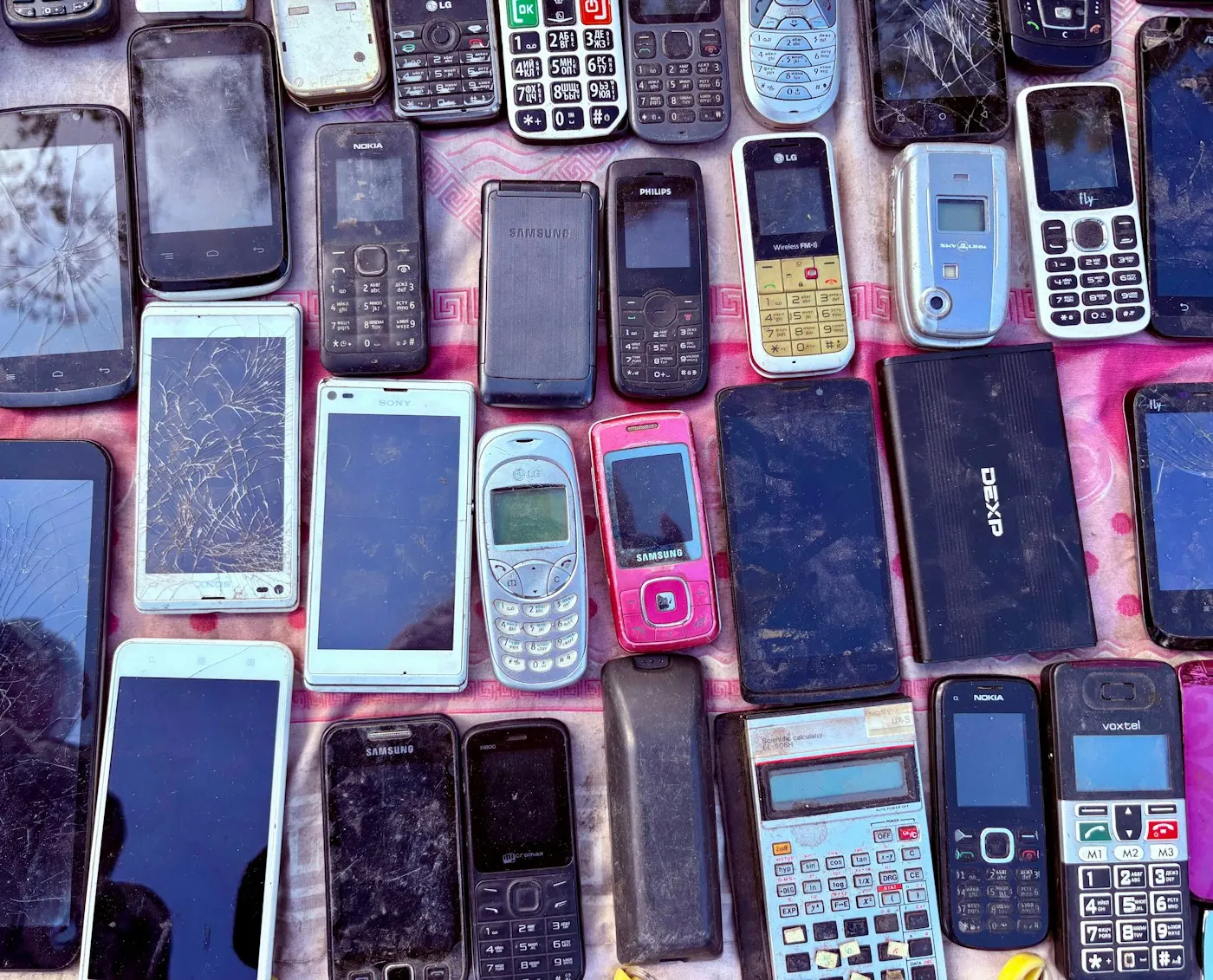
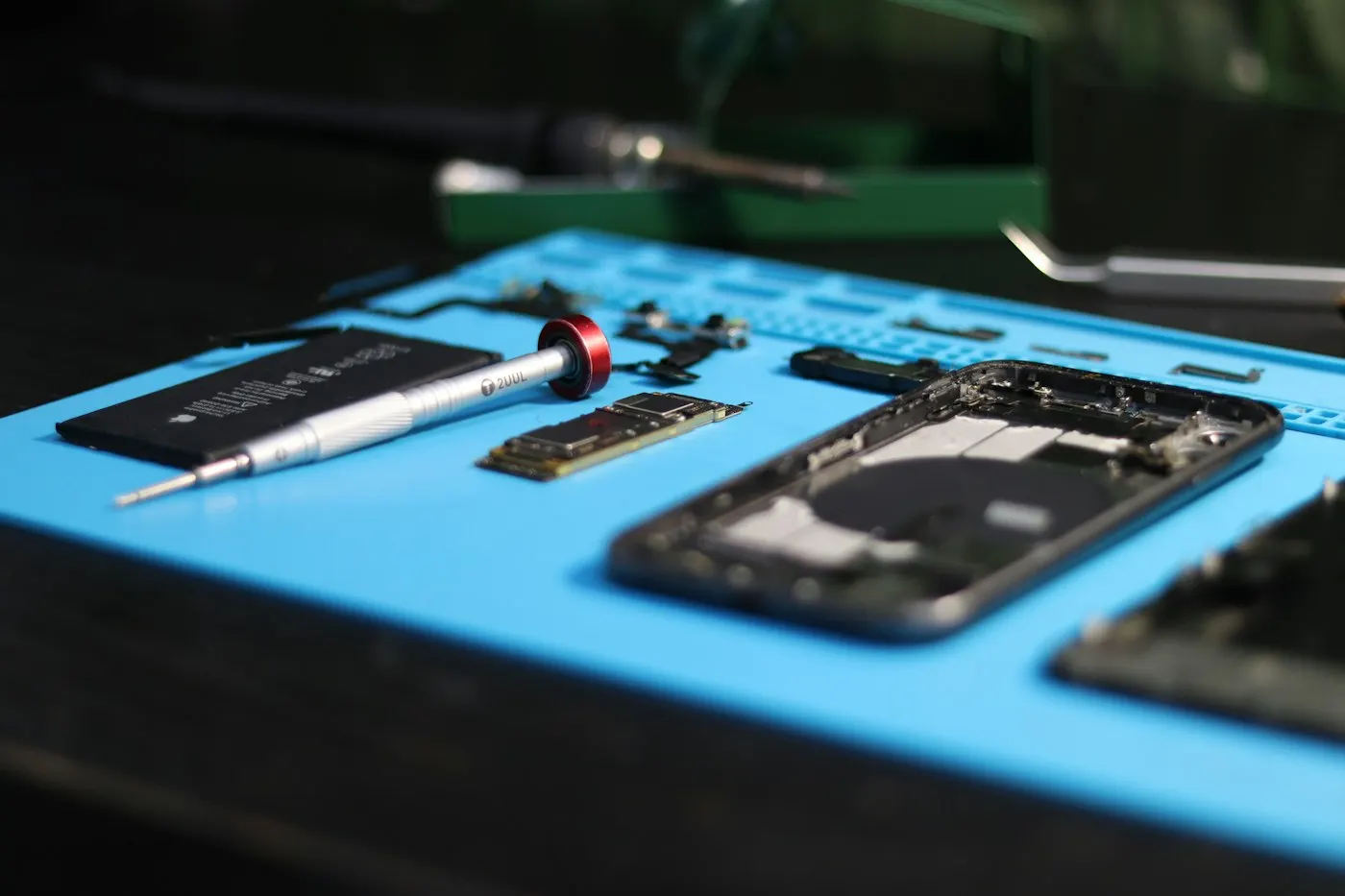
The same rule requires manufacturers to keep spare parts like batteries, cameras and displays available for at least seven years after a model leaves the market. Heise.de reports that every major Android manufacturer it surveyed said it would meet the requirement, and that Google and Samsung already exceed it by promising seven years from the start of sale rather than the end. Apple, by contrast, has matched the practical outcome without publishing a fixed number, according to the same coverage.
Consumer advocates don't think five years goes far enough. Right to Repair Europe was reported pushing for as much as 15 years of software support in late 2025, arguing a regulatory floor shouldn't double as an industry ceiling. That's a fair complaint: a legal minimum tends to become the number marketing teams quote, not the number engineering teams aim to beat.
A Longer Promise Isn't the Same as a Faster One
Here's the honest caveat most coverage of these numbers skips: a seven-year pledge describes how long updates will keep coming, not how quickly, or how completely. Android Central has reported that Google won't commit to specific release dates for any given year's updates, so a phone deep into its support window may go from full Feature Drops to security-only patches well before the warranty clock runs out, and Google doesn't have to say when that shift happens in advance. Battery health and chipset performance also tend to fade years before software support legally ends, so a seven-year number on the box doesn't guarantee a device worth using for seven years.
Advertisement
It's also worth steelmanning the manufacturers here: supporting a chipset for seven years means maintaining driver and firmware compatibility with silicon partners who have long since moved on to newer designs, which costs real engineering time for phones that, by year five or six, represent a shrinking fraction of active devices. The pledge is generous compared to 2021, but it's not charity, and it's not free to Google either.
Who This Matters To, and What to Check Next
This story matters most to anyone still carrying a Pixel 6, Pixel 6 Pro, or a similarly aging Android phone bought before 2023, and to anyone shopping for a new phone right now who assumes all brands offer similar update timelines. It matters less to anyone already on a Pixel 8 or newer, a current Galaxy flagship, or a recent iPhone, since all three are already inside the window where seven-year-class promises or Apple's informal equivalent apply.
- If you own a Pixel 6 or 6 Pro: keep using it if it still meets your needs, but stop assuming future security patches are coming, and prioritize apps and banking tools that still support your Android version.
- If you're buying a phone in the next year: check the manufacturer's own support page for the exact end date, in writing, not a marketing slide; "up to seven years" and "guaranteed seven years" are different promises.
- If you care about long-term value: remember the EU's five-year floor is a minimum for everyone selling in that market, so even budget Android phones sold there now carry a stronger legal baseline than the Pixel 6 had in 2021.
- If you're outside the EU: don't assume the same floor applies; Ecodesign Regulation 2023/1670 binds sales into the EU market, and manufacturers can and do offer shorter windows elsewhere unless they choose to standardize globally.
For context on how Android's broader software ecosystem keeps shifting responsibility onto manufacturers and developers, see our coverage of Android's developer verification rule, part of the same platform-wide push to tighten control over what happens on these devices long after they're sold.
Advertisement
The Takeaway
The Pixel 6's shutdown isn't really about an old phone losing updates on schedule. It's proof that Google's own 2021 support window was a number chosen for that generation's business case, not a ceiling set by technical limits, and that both competition and regulation pushed it to more than double within two years. Before buying your next phone, find the manufacturer's own support page, write down the exact end date, and treat anything shorter than five years, or seven for a flagship, as a number to negotiate against rather than accept.
Sources
- TechRepublic: Google October Update Fixes Pixel Bugs as Pixel 6 Nears End of Support
- Droid Life: Pixel 6 and Pixel 6 Pro Reach End of Life
- Droid Life: Pixel 6 and Pixel 6 Pro Get 3 OS Updates, 5 Years of Security Patches
- XDA Developers: Google Pixel 6 series may get Android 16 and an additional year of security patches
- Android Central: Google's Pixel 8 hardware support matches its seven-year update plan
- Tom's Guide: Google looked to the original Pixel to decide on 7 years of software updates
- Heise Online: Despite Ecodesign Regulation, no update promise for iPhones and iPads
- ITdaily: 5 Years of OS Updates for Smartphones, Mandated by the EU

Advertisement