Apple's first smart home hub was never going to be remarkable for its screen. The most important detail about HomeView, the device Apple unveiled at its "Welcome Home" event in Tribeca, New York on October 13, 2026, is not the display or the chip inside it. It is the App Store that Apple reportedly left out entirely, on a device from the company that built its empire on apps.
Key takeaways
- Apple's HomeView smart home hub, unveiled October 13, 2026, is reported to ship without an App Store, relying on Siri AI and voice commands instead of installable third-party apps.
- The refreshed Apple TV 4K (with Apple's new A19 chip) and HomePod mini 2 are expected to ship October 30, 2026, roughly two weeks before HomeView itself arrives in mid-November.
- Apple has not confirmed a price for HomeView; a widely circulated pre-event estimate put it near $350, well above Amazon's and Google's screen-equipped smart speakers.
- Amazon's Echo Show (2017) and Google's Nest Hub (2018) have had this product category to themselves for nearly a decade, which is the real reason HomeView's launch matters more than its specs do.
The Delay Was Never About Hardware
HomeView's hardware was reportedly ready long before Apple would show it. According to Bloomberg's Mark Gurman, whose reporting on the device has been consistent for more than a year across outlets including MacRumors and 9to5Mac, the hub missed internal targets in 2025 more than once while Apple reworked Siri into a system capable of handling open-ended requests rather than a fixed list of commands. That is the detail worth sitting with: a touchscreen with a speaker base is not hard to build. What held Apple back was software, specifically an AI assistant good enough to be the only way most people would interact with the thing.
That sequencing tells you what Apple thinks HomeView actually is. It is not a tablet bolted to a speaker. It is a test of whether Siri AI, after years of embarrassing delays, is finally ready to carry a product on its own.
Advertisement
Why HomeView Has No App Store at All
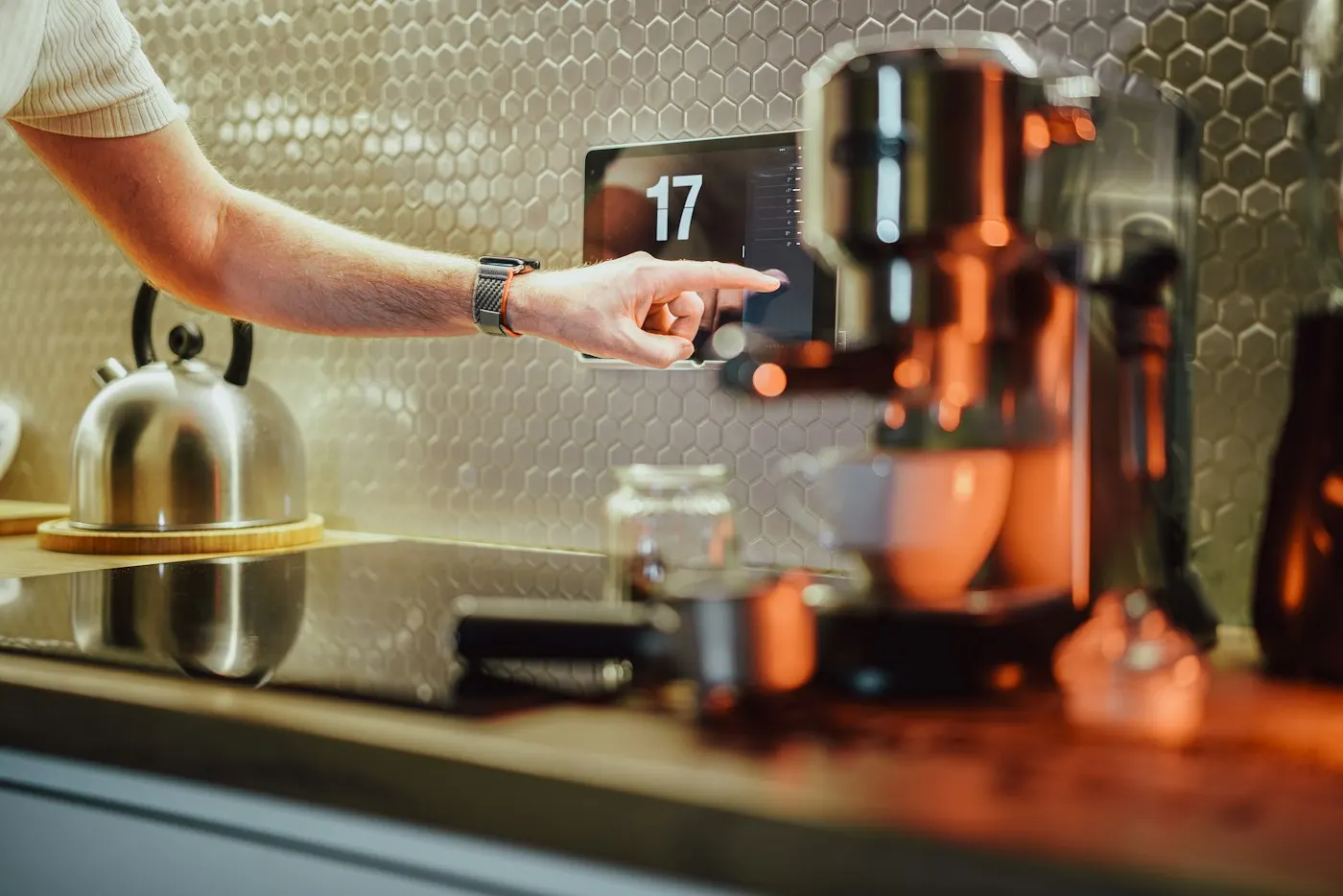
Multiple outlets, including iPhone in Canada, iClarified, and Cult of Mac, have reported (again citing Gurman) that HomeView launches without an App Store. Instead of a home screen full of icons, the device is built around voice: you ask Siri AI for the thermostat, the weather, a recipe, or a FaceTime call, and the 7-inch display is a secondary surface for showing what the voice command produced, not a launcher for downloaded software.
This is a genuinely unusual choice for Apple. The App Store is the backbone of the company's services revenue and the subject of years of regulatory fights, including the EU fee changes Apple made to its App Store rules earlier this year. Shipping a flagship device with no app marketplace at all signals that Apple does not think a kitchen counter display needs one. It needs an assistant good enough that you never think about apps in the first place.
Echo Show and Nest Hub Got There First, and Cheaper
Context matters here, and most coverage of the event skipped it. Amazon's Echo Show launched in 2017, and Google's Nest Hub followed a year later, so Apple is entering a product category that has existed, with screens, voice assistants, and smart home control, for almost a decade. Both companies' devices have long sold well under $150 at regular price and far less on sale.
Apple has not confirmed HomeView's price. A pre-event estimate reported by Bloomberg and relayed by outlets including Thurrott put the figure around $350, which would make HomeView roughly double or triple what an Echo Show or Nest Hub typically costs. Treat that number as a reported target, not a confirmed price: check Apple's own site once HomeView is listed for sale before assuming it holds.
If that estimate is in the right range, Apple is not trying to win the smart display category on price. It is betting that households already inside its ecosystem, with iPhones, HomeKit accessories, and Apple TVs, will pay a premium for a hub that talks to all of it more smoothly than a cheaper Echo or Nest device does.
The Apple TV and HomePod Mini Are What Actually Ships First
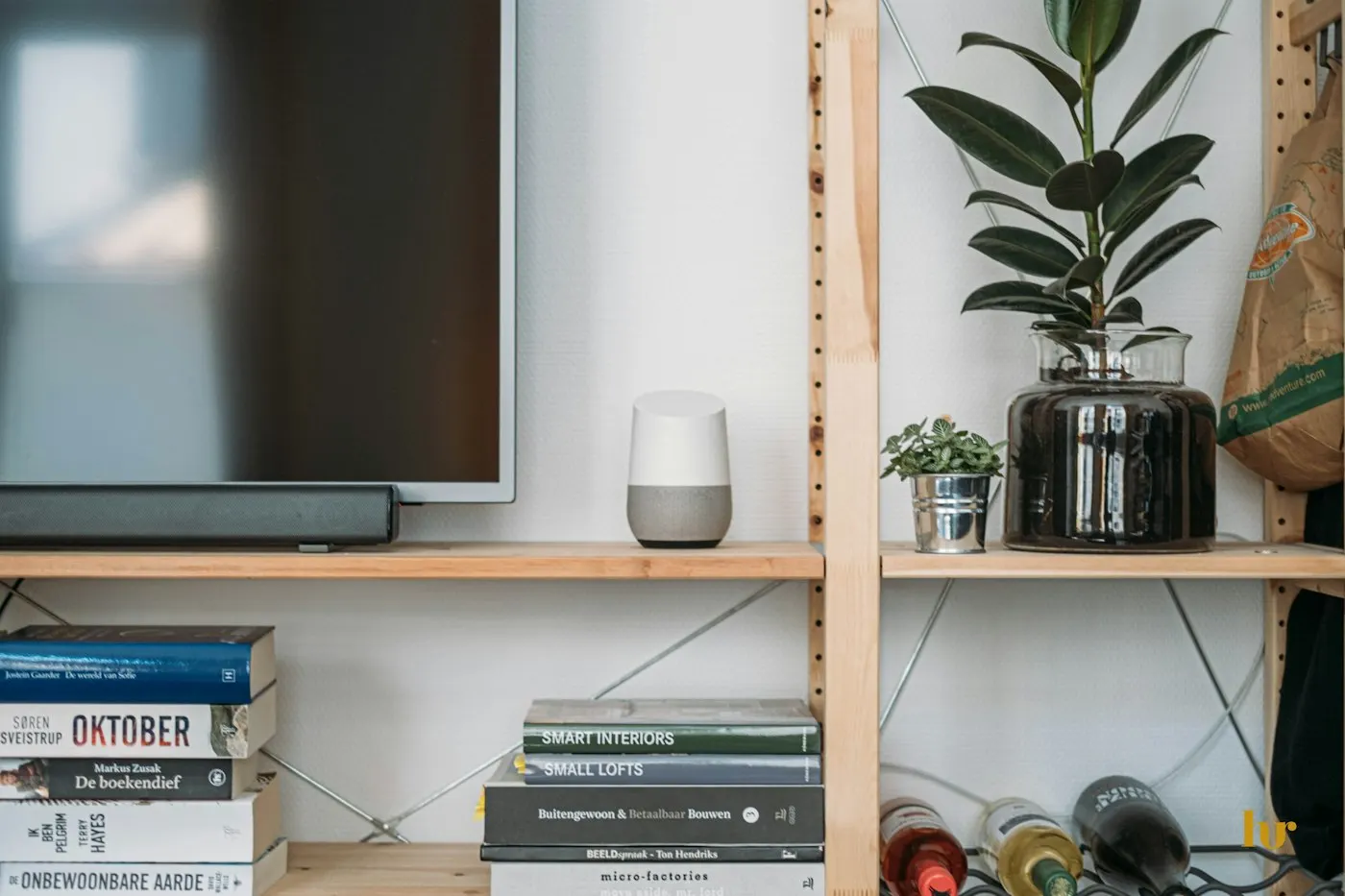
It is worth separating hype from calendar. The devices most people will actually be able to buy this month are not HomeView. Gurman's reporting, echoed across MacRumors and other outlets, puts the fourth-generation Apple TV 4K and the HomePod mini 2 on sale October 30, 2026, roughly two weeks before HomeView itself reaches customers in mid-November.
✦ Free Newsletter ✦
Never miss a story
Tools, tutorials and AI deep-dives - straight to your inbox, every week.
Advertisement
The Apple TV 4K's update centers on Apple's new A19 chip, a jump from the A15 used in the previous model, paired with Siri AI support for voice search and smart home control through the living room screen. The HomePod mini 2 is reported to move to the S10 chip, the same chip family used in the Apple Watch Series 10, up from the S5 in the outgoing model. Neither change is dramatic on its own. Together, they read as Apple quietly upgrading the processors across its entire home lineup so that every device in the house can eventually run the same AI assistant without choking on it.
Who Should Care About This, and Who Can Skip It
This matters most to households already committed to Apple's ecosystem, HomeKit accessories, multiple HomePods, and an iPhone in every pocket, where a shared assistant across devices has real value. It also matters to anyone evaluating whether to buy an Echo Show or Nest Hub replacement soon: waiting for HomeView's confirmed price and release date before buying a competing device is a reasonable call if you are not in a hurry.
It matters far less to anyone outside Apple's ecosystem, since HomeView's entire pitch depends on devices you would need to already own. A simple decision rule: buy now if your current smart display is broken or missing and you need one this week; wait for HomeView if you already own several Apple devices and a few more weeks of patience costs you nothing.
The Honest Counterpoint: Maybe No App Store Is the Right Call
The skeptical read of HomeView is that a smart display with no App Store is a downgrade dressed up as a design choice, and that reading has merit. Third-party apps on the Echo Show and Nest Hub, while often clunky on a small screen, let developers build genuinely useful things: dedicated recipe apps, security camera dashboards, kids' learning tools. Cutting that off at launch is a real limitation, not just a stylistic one, and Apple's reported workaround, letting users project a widget from a nearby iPhone, sounds like a stopgap rather than a plan.
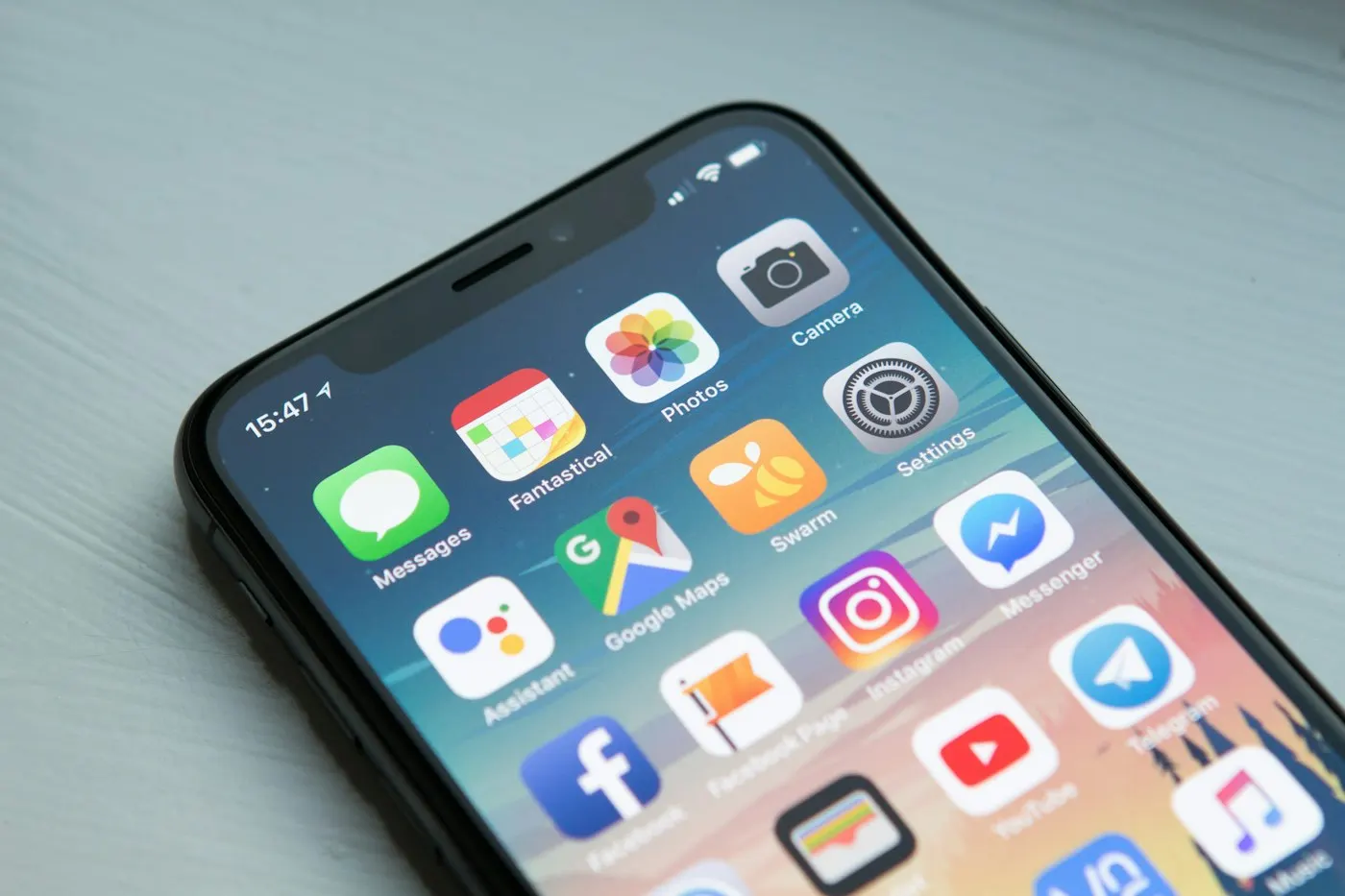
But the counter-argument has a weak spot too. App grids on 6- and 7-inch kitchen displays have always been an awkward fit: tiny icons, fiddly touch targets, and most users defaulting to voice commands anyway because tapping through menus on a countertop screen is slower than just asking. If Siri AI is actually competent now, a voice-first appliance without the overhead of an app marketplace is a coherent product, not a crippled one. The test is whether Siri AI is good enough to replace what apps used to do, and that is unverifiable until HomeView actually ships and independent reviewers get hands-on time with it.
What to Watch Next
Three things will tell you whether this bet paid off. First, HomeView's actual price when Apple confirms it, since a number meaningfully above $350 would undercut the ecosystem-premium argument. Second, whether Siri AI on HomeView can reliably handle multi-step requests, the kind of test that AI labs have struggled to standardize even in controlled settings, let alone on a kitchen counter. Third, whether Apple extends the no-app-store approach to future hardware, the way it has used new devices before as a vehicle to push an underlying AI strategy rather than the hardware itself, similar to how the iPhone Duo's pricing revealed Apple's real strategic bet rather than its specs.
Advertisement
For now, the honest summary is that Apple announced a product category entry nearly nine years late, attached to an assistant that has not yet proven itself in the one place that matters: someone's actual kitchen, asking an actual question, expecting an actual answer.
Sources
- Apple confirms its 'Welcome home' launch for 13 October in New York - TheNextWeb
- Apple's new smart home lineup is coming as 'Welcome Home' event confirmed - T3
- Apple Product Launch Announced for October 13: 'Welcome Home' - MacRumors
- Apple's HomeView Details Just Leaked: Here's How It Controls the Home - iPhone in Canada
- Apple HomeView: two versions, no App Store - Cult of Mac
- New Apple TV 4K and HomePod Mini to Ship on October 30 - MacRumors
- Report: Apple's Upcoming Home Hub May Cost Around $350 - Thurrott
- Google may be working on its own version of Amazon's Echo Show - Engadget

Advertisement