
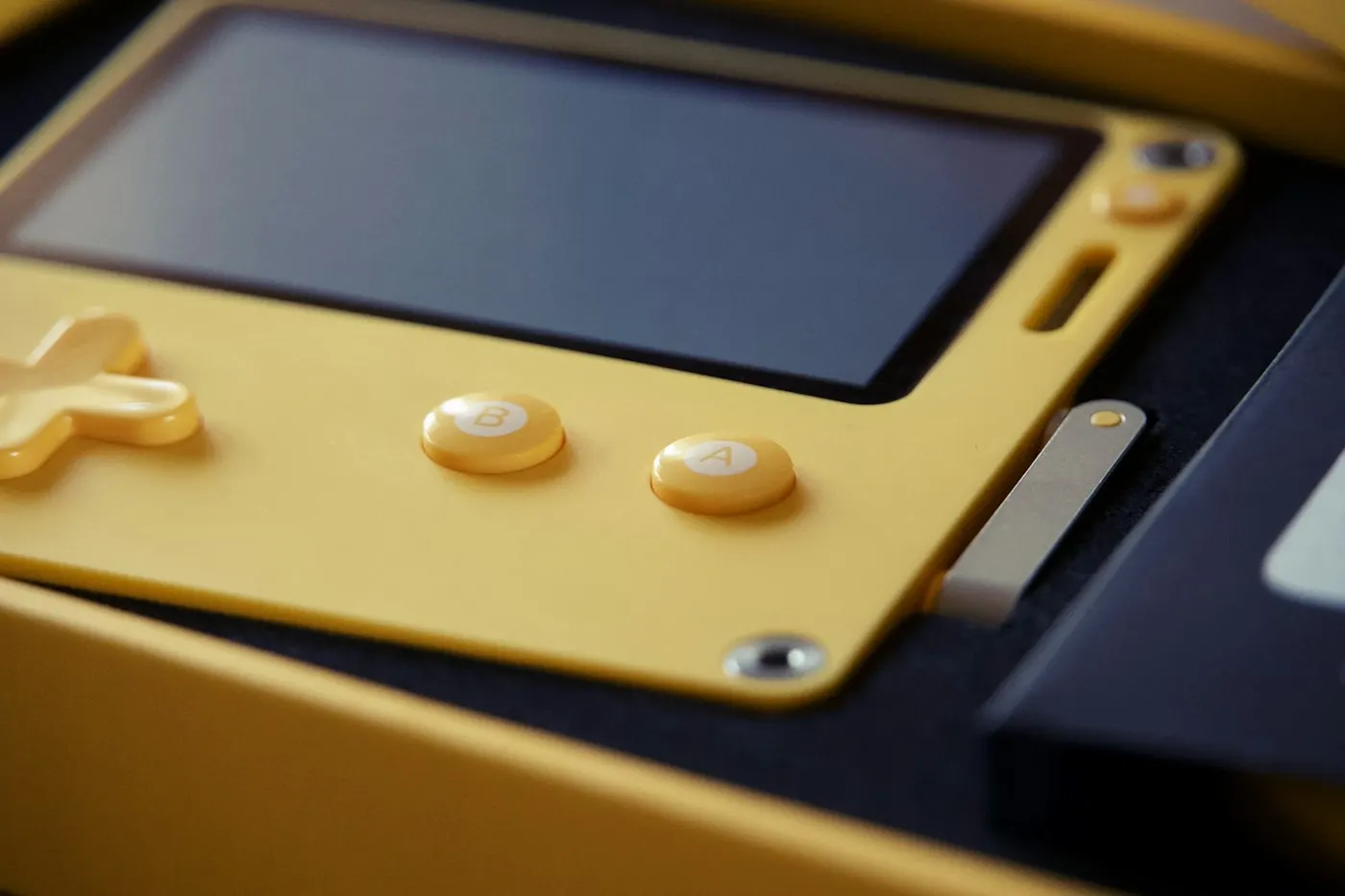
The best Steam Deck alternatives in 2026 are not competing on raw performance anymore. They are competing on which company absorbed less of a brutal memory price spike before passing the bill to you. Every major handheld, including Valve's own hardware, got meaningfully more expensive this year, and that changes how you should shop.
Key takeaways
- Valve raised Steam Deck OLED prices on May 27, 2026: the 512GB model went from $549 to $789 and the 1TB model from $649 to $949, according to Valve's own statement cited by multiple outlets.
- The driver is a DRAM shortage, not a hardware refresh: Tom's Hardware reports DRAM contract prices rose roughly 90 to 95 percent in the first quarter of 2026 alone, citing Gartner data.
- The Lenovo Legion Go S SteamOS model launched at $599.99 but has since traded for anywhere from around $900 to well over $1,000 depending on retailer, so treat any listed price as a starting point, not a guarantee.
- The real decision is SteamOS versus Windows, not brand versus brand: SteamOS wins on boot speed and battery life, Windows wins on compatibility with Game Pass and non-Steam launchers.
How We Chose
We compared published specs, manufacturer data and expert reviews from outlets including Tom's Hardware, Tom's Guide, PC Gamer and Notebookcheck; we did not test these products ourselves. We prioritized handhelds that are currently in production and widely available in the US, cross-checked pricing against official manufacturer spec pages where possible, and weighed the SteamOS-versus-Windows tradeoff as the primary axis, since it affects daily use more than any single spec.
The Memory Shortage Rewrote Every Handheld's Price Tag
Searching for "best Steam Deck alternatives 2026" now turns up a market that looks nothing like it did a year ago. On May 27, 2026, Valve raised the price of the Steam Deck OLED across the board: the 512GB model climbed from $549 to $789 and the 1TB model from $649 to $949, moves confirmed by Tom's Hardware, PCGamesN and Game Developer. Valve's own statement, quoted by multiple outlets, said the new prices "reflect the current state of component costs and other global logistical challenges across the industry as a whole."
Advertisement
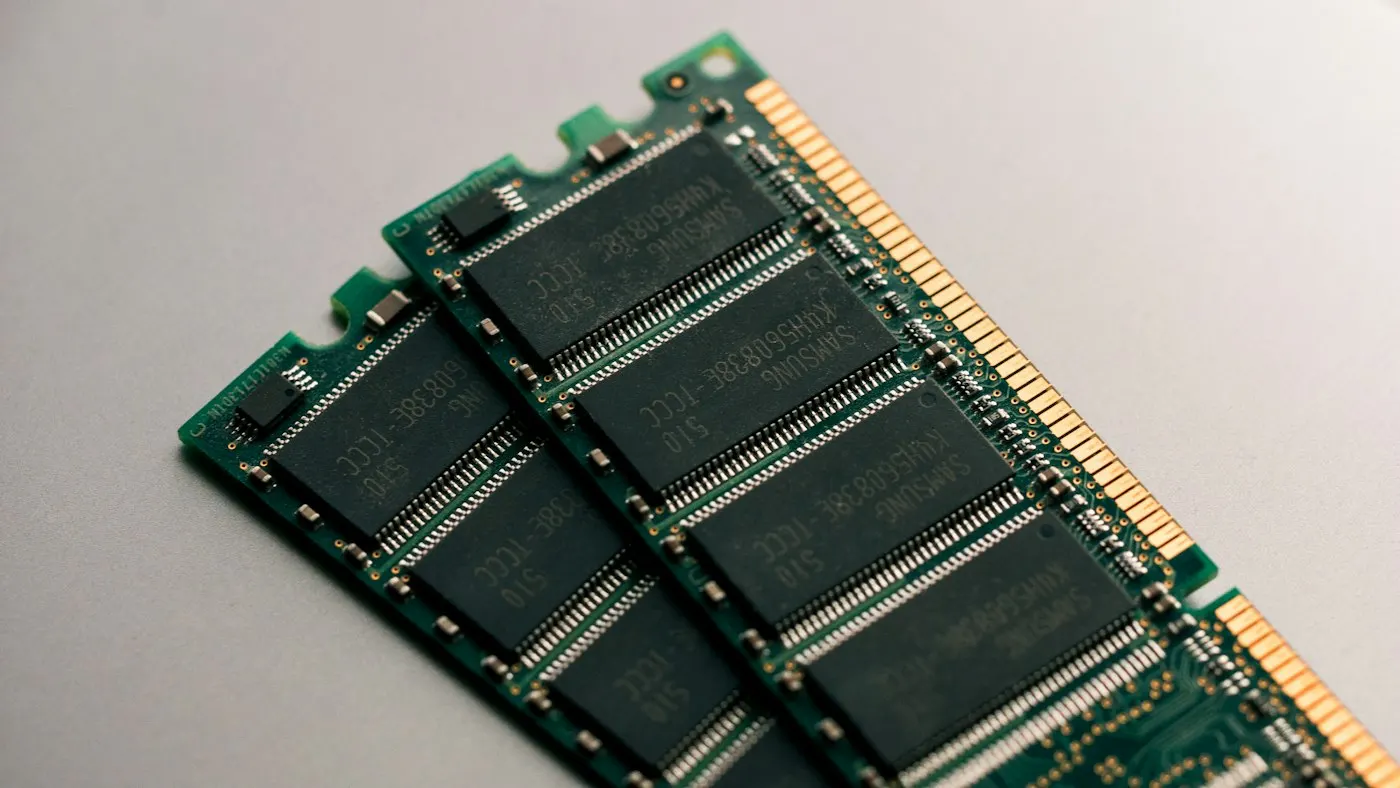
That is corporate language for a DRAM shortage that has hit the entire PC industry, not just handhelds. Tom's Hardware, citing Gartner estimates, reported that global DRAM contract prices rose roughly 90 to 95 percent in the first quarter of 2026, driven largely by AI data centers pulling manufacturing capacity toward high-margin server memory. IDC separately projected average PC prices could rise as much as 8 percent in 2026 because of the shortage. Our earlier look at the 2026 memory shortage covers the broader mechanism in more detail.
Handheld gaming PCs got hit especially hard because they pack laptop-grade RAM and NVMe storage into a small chassis with thin margins to begin with. MSI's Claw 8 AI+ launched at $899, confirmed by MSI itself and reported by VideoCardz, and the newer Claw 8 EX AI+ launched at roughly $1,699 to $1,799, nearly double, according to WCCFTech and TechPowerUp. Lenovo's Legion Go S SteamOS model tells a similar story: it launched at $599.99 for the base configuration, and Notebookcheck reported its price climbing well past $900, with some retail listings north of $1,000, within months.
SteamOS vs Windows Is the Decision That Actually Matters
Once you accept that prices are in flux, the spec sheet stops being the deciding factor. What actually determines whether you will enjoy a handheld is its operating system, because that governs how it feels to turn on and use every single day.
- Choose SteamOS if you mostly play Steam library games, want the device to boot in seconds and return to sleep instantly, and care more about battery life than running every Windows-only launcher.
- Choose Windows if you need Xbox Game Pass, Battle.net, Epic Games Store or emulators that assume a full desktop OS, or you plan to use the handheld as a backup laptop.
- Skip a new handheld entirely if you already own a Steam Deck LCD or original Ally and your current use case (mostly indie or older AA titles) is not CPU or GPU bound. A $200 to $400 price increase buys diminishing returns if your library already runs fine.
SteamOS handhelds, meaning Valve's own hardware plus Lenovo's Legion Go S SteamOS variant, boot faster and sip less power in standby because the OS is a stripped-down Linux build tuned for one job. Windows handhelds like the ROG Ally line and MSI's Claw can run essentially any PC game or launcher, but Windows 11's desktop-first interface remains awkward on a 7 to 8 inch touchscreen, a criticism that has followed every Windows handheld since the category started.
Advertisement
The Steam Deck OLED Is Still the Default Pick
For most people asking what to buy right now, the Valve Steam Deck OLED remains the safest recommendation, even at its new higher price. It has the largest, best-curated compatibility database (Valve's own Deck Verified program), the most mature SteamOS build, and years of driver and performance patches that newer entrants have not had time to accumulate.
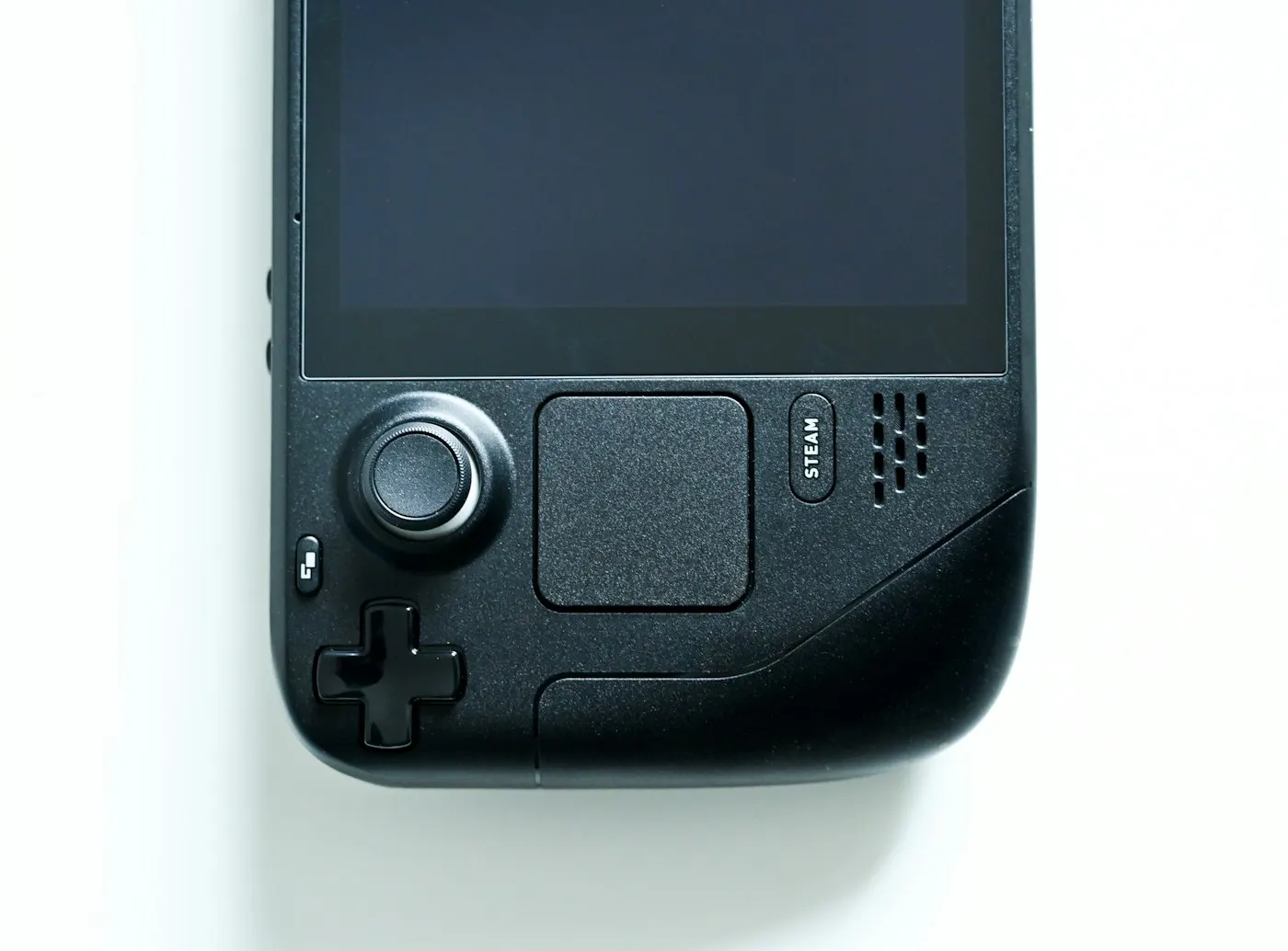
Best for: anyone who wants the simplest, most reliable handheld experience and mostly plays through Steam. Main drawback: at $789 for 512GB and $949 for 1TB, it costs 40 to 46 percent more than it did at the start of the year. Skip this if: you need Xbox Game Pass, Battle.net or other non-Steam storefronts as a primary library, since SteamOS support for those remains inconsistent.
✦ Free Newsletter ✦
Never miss a story
Tools, tutorials and AI deep-dives - straight to your inbox, every week.
Three Alternatives Worth Considering
The Lenovo Legion Go S is the closest thing to a Steam Deck built by someone other than Valve: it is the first third-party handheld officially licensed to run SteamOS, and its top configuration pairs a Ryzen Z1 Extreme chip with up to 32GB of RAM, an 8-inch 120Hz display and a 55.5Whr battery. Best for: buyers who want a bigger screen and more RAM than the Deck offers while staying on SteamOS. Main drawback: pricing has been the least stable of any handheld we looked at, swinging from its $599.99 launch price to well over $900 depending on retailer and configuration. Skip this if: you cannot find it near its original MSRP, since at inflated prices the Steam Deck OLED is the safer buy.
Advertisement
The ASUS ROG Xbox Ally X, released in 2025 as a joint project between ASUS and Microsoft, pairs an AMD Ryzen AI Z2 Extreme processor with 24GB of RAM, a 1TB SSD and an 80Wh battery, and ships with a custom Xbox full-screen interface layered over Windows 11, according to ASUS's official spec sheet. At $999.99 it is the most expensive handheld in this guide. Best for: Game Pass subscribers who want console-like navigation without giving up Windows compatibility. Main drawback: you are paying a premium for a UI skin on top of the same Windows 11 experience every other Windows handheld ships with. Skip this if: you do not actively use Xbox Game Pass or Xbox Play Anywhere titles, since the price premium buys you little else.

The ASUS ROG Ally X (2024) is the more affordable Windows option at $799.99, with a Ryzen Z1 Extreme chip, 24GB of RAM, a 1TB SSD and the same 80Wh battery as its Xbox-branded sibling, per ASUS's official listing. Best for: buyers who want the broadest Windows game and launcher compatibility without paying the Xbox Ally X's premium. Main drawback: Windows 11's interface still requires more fiddling than SteamOS to get a controller-first experience. Skip this if: you never plan to touch a non-Steam storefront, since SteamOS handhelds handle Steam libraries more smoothly for less money.
| Device | Launch price | RAM (max) | Storage | OS |
|---|---|---|---|---|
| Steam Deck OLED (current pricing) | $789 (512GB) / $949 (1TB) | 16GB | 512GB / 1TB | SteamOS |
| Lenovo Legion Go S (SteamOS) | $599.99 launch (varies now) | 32GB | 512GB / 1TB | SteamOS |
| ROG Xbox Ally X (2025) | $999.99 | 24GB | 1TB | Windows 11 |
| ROG Ally X (2024) | $799.99 | 24GB | 1TB | Windows 11 |
The Honest Case for Waiting
The strongest argument against buying any handheld right now is that the memory shortage driving these price hikes may not be permanent, and buying at the peak of a price spike is rarely a good deal. Tom's Hardware reported in its Q3 2026 memory tracking that price growth had begun to cool as consumers hit affordability limits, even though AI-driven demand was still pushing DRAM and NAND prices higher overall. If that cooling continues, handheld prices could ease back down in 2027.

Industry estimates on when memory supply normalizes vary widely, with some analyst commentary suggesting meaningful relief is unlikely before mid-2027. Treat any specific date as a rough industry estimate, not a guarantee.
We still think buying now is defensible if your current handheld is genuinely holding you back, because there is no confirmed timeline for prices to fall and waiting a year on a device you use daily has its own cost. But if your existing hardware is merely a little slower rather than actually limiting, waiting a few months to see whether prices ease is a reasonable, low-risk choice.
Advertisement
What We Left Out and Why
We did not make the MSI Claw 8 AI+ a primary pick despite its competitive $899 launch price and 32GB RAM ceiling, because its Intel Arc graphics still have less mature driver support in handheld form factors than AMD's Ryzen APUs, and MSI's own EX variant nearly doubling in price to around $1,699 to $1,799 suggested the lineup's pricing is not yet settled. We also left out the original LCD Steam Deck tier and older 2023-era Windows handhelds, since neither reflects the current lineup most retailers are actively stocking. If you already own a working handheld from the last two years, none of the picks above are essential upgrades on their own.
Last updated: September 24, 2026.
Sources
- Tom's Hardware: Valve hikes Steam Deck OLED prices
- PCGamesN: Steam Deck prices jump $300
- Game Developer: Valve raises Steam Deck OLED prices
- Tom's Hardware: memory price surge begins to cool
- Tom's Hardware: IDC on 2026 PC price increases
- ASUS: ROG Ally X (2024) official specifications
- ASUS: ROG Xbox Ally X (2025) official specifications
- Notebookcheck: Legion Go S SteamOS price jump
- Tom's Guide: Legion Go S SteamOS launch price
- VideoCardz: MSI confirms Claw 8/7 AI+ launch pricing
- WCCFTech: MSI Claw 8 EX AI+ pricing

Advertisement