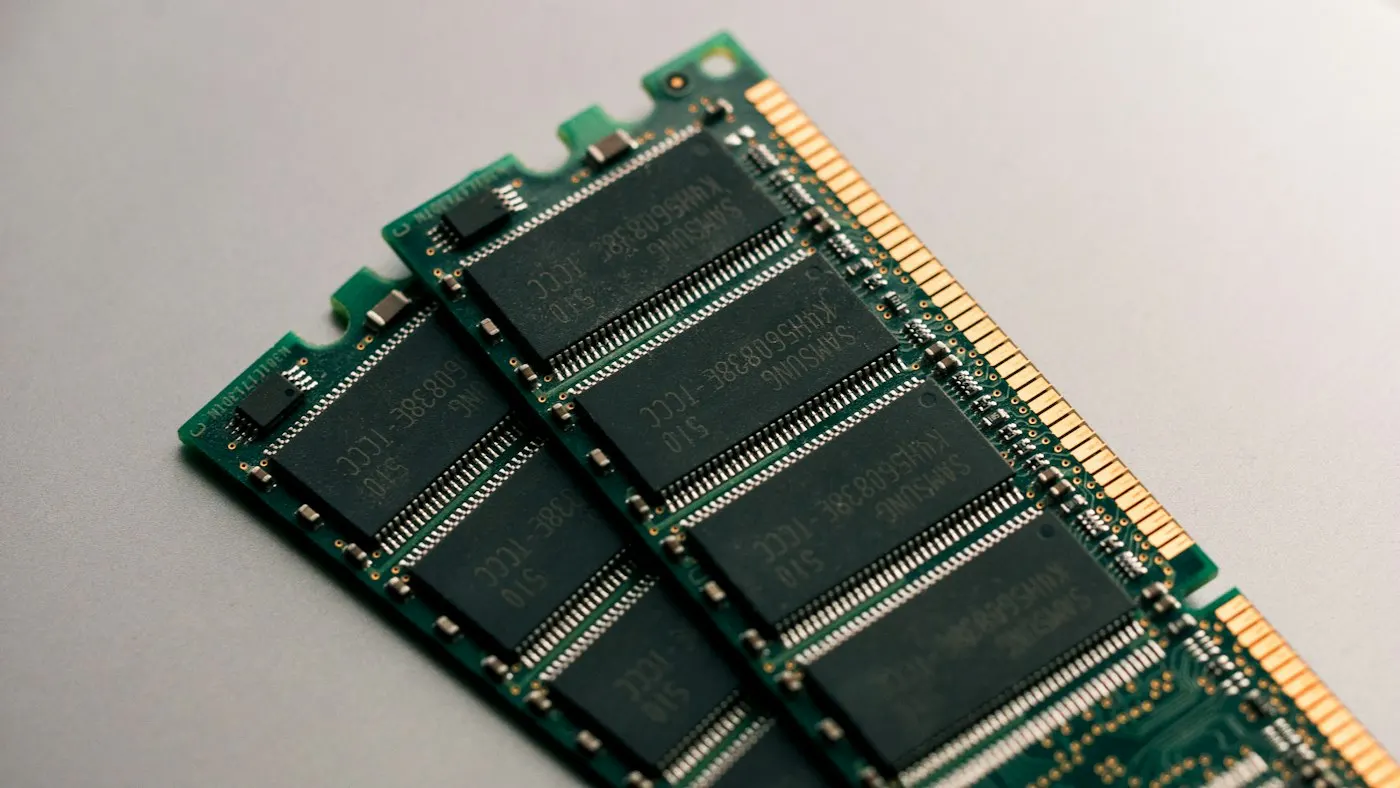
The $100 you just paid extra for an iPhone 18 Pro is not really an Apple story. It is the first bill from a memory shortage that has been quietly rewriting the price of almost everything with a chip in it, and it is going to keep arriving in worse forms for at least another year. The global memory shortage is the reason your next laptop, SSD, or phone upgrade costs more than it did in 2025, and unlike most tech "shortages," this one has a specific, identifiable cause: AI data centers buying up the memory supply chain before consumer electronics ever get a turn.
Apple's iPhone 18 Pro and 18 Pro Max went on sale this month at $1,199 for 256GB, up $100 from the iPhone 17 Pro's $1,099 starting price, according to Apple's own pricing and reporting from MacRumors and Yahoo Finance. Go up to 1TB of storage and the increase is closer to $300 over last year's equivalent model. Multiple outlets, including AndroidHeadlines and BeInCrypto, cited industry estimates that Apple's own memory costs for the base 256GB model have risen by roughly 400% year over year, meaning the company is absorbing far more of the hit than it is passing on to buyers.
The $100 iPhone Price Tag Is the Visible Tip of a Much Bigger Bill
Apple can eat some of that cost because it buys memory by the hundreds of millions of units, locking in contracts other manufacturers cannot match. Everyone building a laptop, desktop, or budget phone without that leverage is passing the increase straight through. Research firm IDC forecasts average PC prices will climb by as much as 8% in 2026 because of the memory crunch, a figure reported independently by Tom's Hardware and PCWorld from the same IDC analysis.
Advertisement
That 8% average hides much sharper moves at the top end. Trade publication TrendForce reported that Dell began raising PC prices 15-20% in mid-December, with Lenovo following from January, a shift also covered by Tom's Guide. Acer, HP, and Asus have issued similar warnings to retail partners. If you have priced a pre-built desktop or a work laptop recently and it felt more expensive than it should, this is why.
Why AI Data Centers Are Eating the Memory Supply
The root cause shows up consistently across every source covering this story: memory manufacturers are redirecting production capacity away from the DRAM and NAND flash that goes into phones, laptops and SSDs, toward high-bandwidth memory (HBM) built for AI accelerators. HBM sells at a steep premium and ties up fabrication capacity for years at a time, so every wafer devoted to an AI chip is one that does not become a stick of consumer RAM.

This is a capacity problem, not a demand blip, which is what separates it from past memory cycles. Samsung and SK Hynix, the two largest DRAM makers, have both told customers the shortage could persist through 2027, and some analysts have floated elevated pricing lasting into 2028 or beyond.
The Chip-Level Numbers Behind the Sticker Shock
TrendForce's contract-price tracking shows just how fast this moved. The firm put the first-quarter 2026 jump in PC DRAM contract prices at roughly 105-110% quarter over quarter, calling it the steepest single-quarter increase on record, then forecast a further 58-63% rise for the second quarter, before dialing in a comparatively modest 13-18% increase for the third quarter as some of the panic buying eased.
✦ Free Newsletter ✦
Never miss a story
Tools, tutorials and AI deep-dives - straight to your inbox, every week.
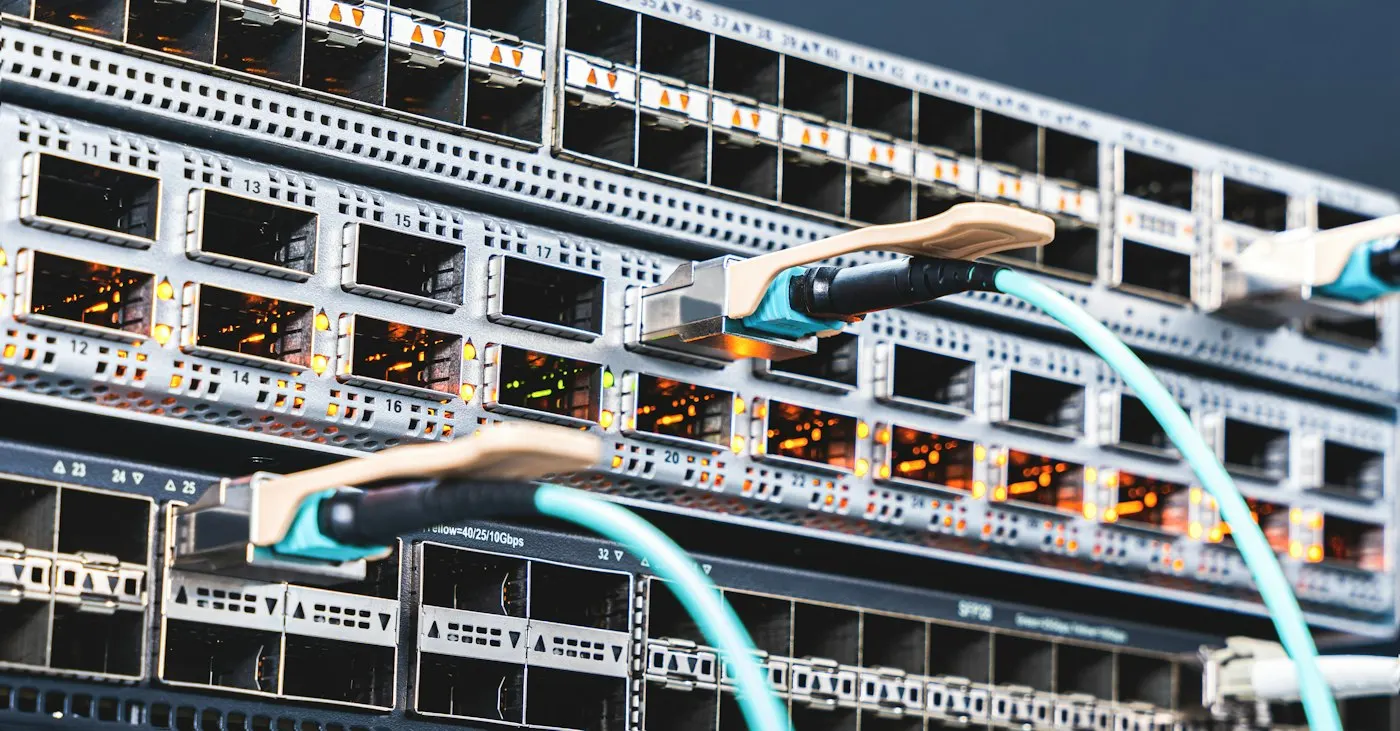
NAND flash, the memory behind SSDs, tells a similar story from a different angle. Phison's CEO told Tom's Hardware that NAND prices have more than doubled in the past six months, citing a 1TB TLC NAND chip that cost $4.80 in July and now costs $10.70, a 123% jump, with all of the company's 2026 production capacity already sold out. That is a named executive, on the record, describing a specific part number and price, not an anonymous industry estimate.
- Phones: $100 average increase so far, worse at higher storage tiers.
- Mainstream PCs: up to 8% average increase forecast by IDC for 2026.
- OEM contract pricing (Dell, Lenovo): 15-20% hikes already rolled out.
- Retail NAND/SSD components: roughly doubled at the chip level in six months, per Phison.
Who This Actually Hits, and Who Can Ignore It
This matters most if you build or upgrade your own PC, buy storage-heavy laptops for creative or engineering work, or run a small business that refreshes machines on a fixed cycle. DIY builders are absorbing the sharpest increases because they buy loose components at spot or near-spot prices, exactly where TrendForce's steepest quarter-over-quarter numbers land. Anyone shopping for a gaming laptop in the next few months should expect the configurations that looked reasonable in 2025 to cost noticeably more now.
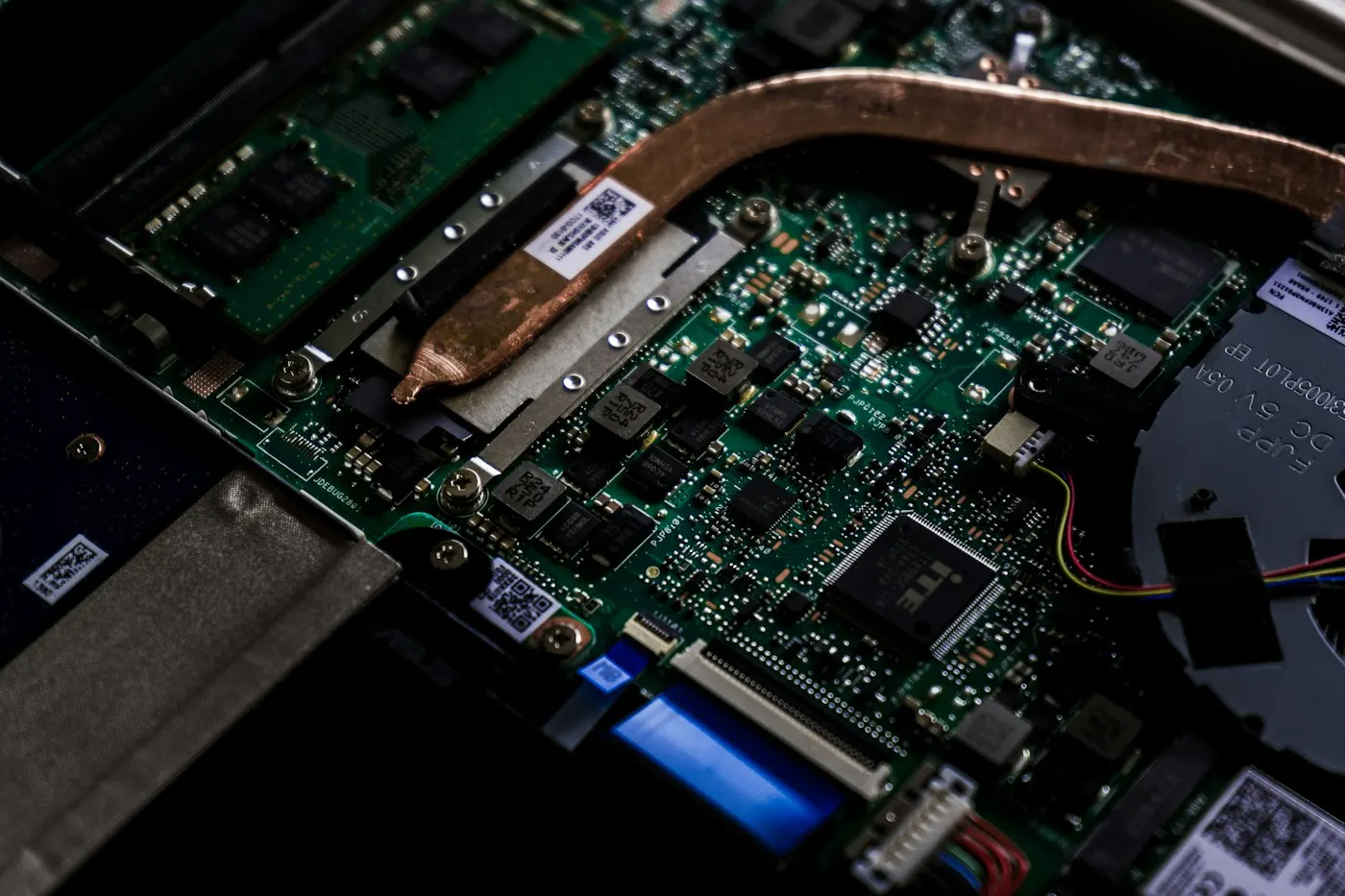
You can mostly ignore this if you are on a cloud-first workflow, use a phone or laptop until it physically fails rather than on a fixed upgrade cycle, or already own enough RAM and storage for the next two to three years. The shortage affects the price of new memory, not the performance of the memory you already own.
The Honest Caveat: These Forecasts Keep Getting Revised, in Both Directions
None of this is as certain as the headlines suggest. TrendForce's own numbers show forecasts being revised mid-cycle, sometimes higher than predicted (Q2 2026 reportedly landed above the original 58-63% estimate) and sometimes lower (Q3's 13-18% is a sharp deceleration from Q1's triple-digit spike). A slowdown in AI infrastructure spending, a jump in new fab capacity coming online, or a dip in consumer demand could all ease prices faster than the "through 2027" warnings suggest. Treat every specific price projection here as directionally right and numerically uncertain.
The honest read: nobody, including the memory makers themselves, is claiming precision about when this ends. Samsung and SK Hynix are hedging with a 2027 window, not a date.
What to Actually Do About It
The decision rule is simple: buy now if you have a genuine need in the next three to six months, and buy more RAM and storage than you think you will need when you do, because retail upgrade prices are moving faster than OEM-configured prices. Waiting a full product cycle in hopes of a price drop is not currently supported by any forecast on the table.
- Buy now if: your current device is failing, you need it for paid work, or you are choosing between two configurations of the same laptop or phone (pick the higher storage tier now rather than upgrading later).
- Wait if: your only reason to upgrade is routine refresh cycle and your current hardware still meets your needs; nothing about the shortage improves by acting sooner for non-urgent upgrades.
- Skip the DIY upgrade path where possible: retail RAM and SSD prices are outpacing what OEMs like Apple and Dell can negotiate in bulk, so a pre-configured machine can be cheaper than buying the base model and upgrading it yourself.
If you already own a recent laptop or a functioning recent iPhone, the most useful move is simply to not be an early adopter of the next refresh until the shortage shows real signs of easing. Watch TrendForce's quarterly DRAM numbers rather than any single company's marketing: a string of quarter-over-quarter increases under 10% would be the first real evidence this is turning around.
Sources
- iPhone 18 Pro's $100 Price Increase is Actually $300 If You Want 1TB Storage - MacRumors
- Apple's iPhone 18 Pro line hits stores with a $100 price bump amid memory crunch, AI pressure - Yahoo Finance
- iPhone 18 Pro Memory Costs Are Reportedly Up 400% - AndroidHeadlines
- IDC expects average PC prices to jump by up to 8% in 2026 - Tom's Hardware
- Memory Crunch Hits PCs: Dell Hikes Prices 15-20% Mid-December, Lenovo from January 2026 - TrendForce
- RAMageddon: Lenovo and Dell tipped to raise prices soon - Tom's Guide
- Phison CEO confirms NAND prices have more than doubled - Tom's Hardware
- PC prices could soar 20 percent thanks to DRAM, SSD shortages - PCWorld
Featured photo by Harrison Broadbent on Unsplash.

Advertisement