The most telling thing about Framework's 2026 is not that it raised RAM prices. It is that the company has now changed memory and storage pricing at least 14 separate times since December 2025, posting every adjustment in the same public forum thread. Framework built its reputation on laptops and desktops you are supposed to open up and upgrade yourself, so when the memory market gets this volatile, the company has nowhere to hide the cost. Dell, HP and Lenovo can quietly reprice a configuration; Framework has to explain itself, repeatedly, to the same customers who chose it because it promised control over their own hardware.
Key takeaways
- Framework has updated RAM and storage pricing at least 14 times between December 2025 and September 29, 2026, according to its own community forum post.
- The steepest single jump hit the Framework Desktop's 128GB configuration, which rose from $1,999 to $2,459 (about 23%) in January 2026, per Framework and PCWorld.
- Framework's LPCAMM2 memory for the Laptop 13 Pro more than doubled in July 2026 (32GB from $439 to $800, 64GB from $849 to $1,600), then partly reversed in September once the company secured cheaper Micron modules.
- Framework publicly tells DIY Edition buyers to source their own RAM if they can find it cheaper elsewhere, advice that works against its own configured-system sales.
Framework's Whole Pitch Depends on Memory You Can Touch
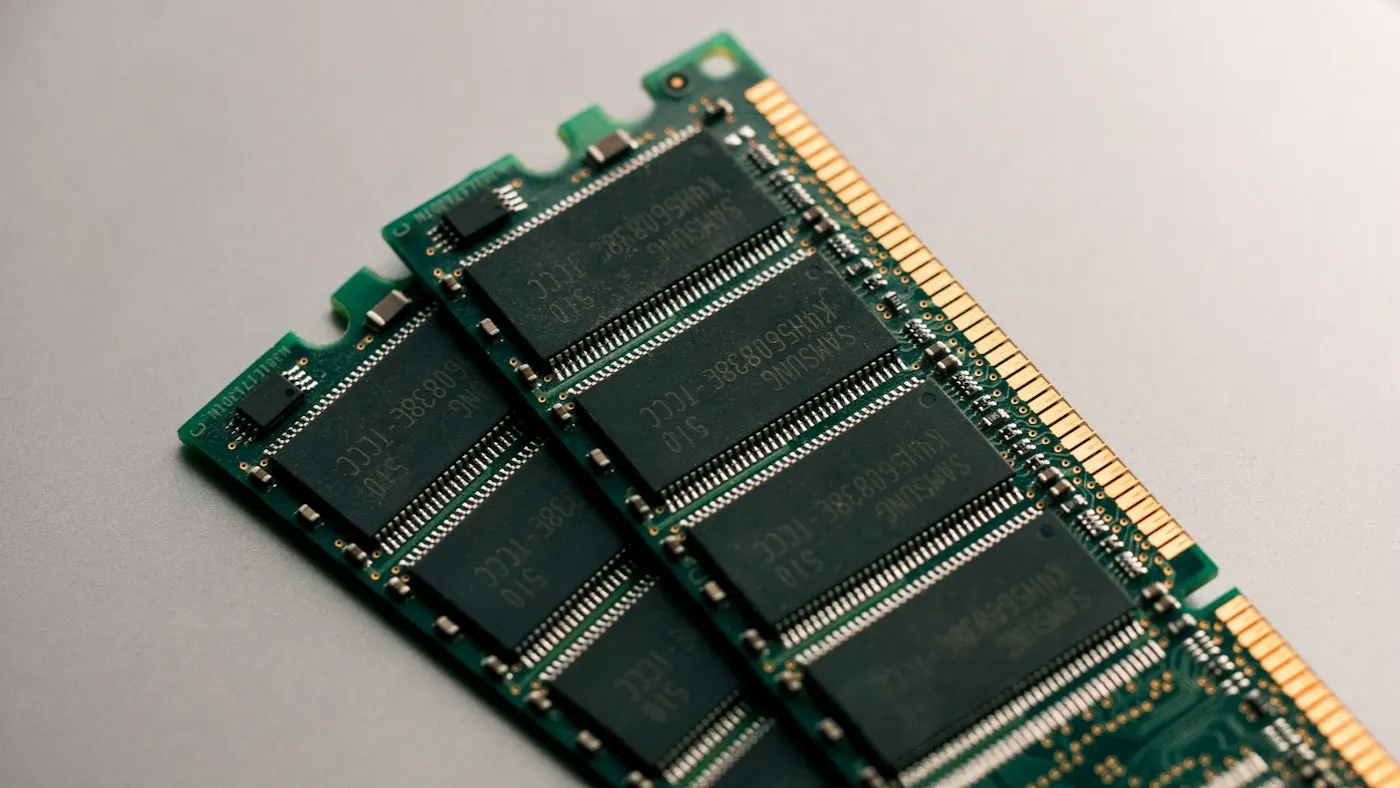
Most ultrabooks now solder RAM directly to the motherboard. Framework's entire brand runs against that trend: its laptops and desktops use SO-DIMM or LPCAMM2 modules you can swap yourself, and its marketing leans hard on repairability and long-term upgradability. That pitch only works if the memory itself is a predictable, replaceable commodity. The 2026 DRAM shortage, driven largely by AI data center demand pulling supply away from consumer parts, has made memory the opposite of predictable. Framework's RAM prices have become a live demonstration of what happens to a "modular PC" business model when the module itself is the volatile part.
Fourteen Price Updates in Ten Months, Mapped Out
Framework tracks every memory and storage adjustment in a single running post on its community forum, first published in December 2025 and still being edited as of September 29, 2026. Reading it back to front is the closest thing to a real-time chart of the 2026 memory crisis hitting one company's price list.
Advertisement
| Date | Component | What changed |
|---|---|---|
| Dec 2025 (initial post) | DDR5, Laptop DIY Edition | Memory price raised 50% |
| Dec 24, 2025 | DDR5 (8/16/32/48GB) | Repriced to a weighted-average cost of $10/GB |
| Jan 12, 2026 | LPDDR5x, Desktop/Mainboard | 128GB config: $1,999 to $2,459 (+23%); base config: $1,099 to $1,139 (+3.6%) |
| Feb 11, 2026 | DDR5 / Desktop systems | DDR5 to $12-$16/GB; Desktop and Mainboard prices up 6-16% |
| Mar 9, 2026 | DDR5 SO-DIMMs | Raised again, to $13-$18/GB |
| Jul 22, 2026 | LPCAMM2, Laptop 13 Pro | 32GB: $439 to $800; 64GB: $849 to $1,600 |
| Sep 8 and Sep 29, 2026 | LPCAMM2, Laptop 13 Pro | Prices cut after securing cheaper Micron 32GB/64GB modules |
Framework's own numbers show the pattern is not a one-way ratchet. DDR5 per-gigabyte costs climbed from $10 in December to $18 by March, but LPCAMM2 pricing fell twice in September once the company found a cheaper supplier. That matters for how you read the rest of this story. Our earlier look at the 2026 memory shortage covers the industry-wide numbers from Gartner, IDC and the major OEMs; this one is about what happens when a single small manufacturer has to show its math in public, update after update.
Is Framework Profiting From the Shortage, or Just Passing Costs Through?
Framework says it only raises prices to match what its own suppliers charge, and lowers them again once those costs fall. Its own log backs that up: LPCAMM2 prices dropped twice in September 2026 after the company locked in cheaper Micron modules, reversing part of July's near-doubling. That is unusually transparent for a PC maker, even though it does not make the underlying components any cheaper for the person placing an order that week.
Transparency Is Framework's Real Product Right Now
Dell and ASUS have also raised prices sharply this year because of the same memory squeeze, but they do it through quiet SKU refreshes and new model numbers rather than a dated, itemized public log. Samsung's recent Galaxy S26 price increase is the same underlying memory cost pressure showing up in a phone, with none of the line-by-line explanation Framework gives for a laptop. CEO Nirav Patel has put his name directly on several of the updates, including calling the July LPCAMM2 spike a "financial risk" to the company rather than framing it as a routine cost pass-through. For a company whose customer base already scrutinizes every teardown and spec sheet, that kind of public accounting is arguably as important to the brand as the hardware's screwdriver-friendly design.
✦ Free Newsletter ✦
Never miss a story
Tools, tutorials and AI deep-dives - straight to your inbox, every week.
The Honest Counterargument: Showing Your Math Doesn't Lower the Bill
The strongest case against treating this as a win for Framework is simple: transparency is not affordability. A big reason people pay a premium for modular hardware is the promise that you can upgrade cheaply later instead of buying a new machine. When Framework's own DDR5 is priced at $13 to $18 per gigabyte directly from the company, and its LPCAMM2 modules for the Laptop 13 Pro briefly cost $800 for 32GB, "upgrade it yourself" stops being the budget-friendly option it used to represent. A buyer who chose Framework specifically to avoid getting locked into a manufacturer's memory pricing is now facing some of the same squeeze as someone who bought a sealed competitor's machine.
Advertisement
That critique is fair, and it is why this is a genuine stress test rather than a marketing win. Where Framework still comes out ahead is optionality: because its memory is modular, buyers can see the company's own prices and then shop around, order a DIY Edition with no memory installed, and bring their own module if they find one cheaper, something Framework's own forum post explicitly recommends. Owners of soldered-RAM laptops from other brands do not get that choice at any price.
What to Check Before You Configure a Framework System
Readers actively configuring a Framework Laptop 13 Pro or a high-memory Framework Desktop right now, and anyone deciding whether "modular and repairable" is worth paying for during a component shortage, should apply a short checklist before ordering:

- Check Framework's current pricing on the order page the day you buy. A figure you saw in a review or forum post from even a few weeks earlier may already be out of date, in either direction.
- If you are comfortable sourcing memory yourself, configure a DIY Edition with no RAM installed and compare third-party module prices first. Framework's own post tells customers to do exactly this when they can find a better deal.
- If you only need a base configuration, such as 8GB to 16GB DDR5 on a standard Laptop or Desktop SKU, the swings have generally been smaller than on the high-capacity tiers, so timing your purchase matters less.
- If you already own a Framework device and are not buying new memory or storage, you can skip this volatility entirely. It mainly affects new configurations and future production batches, not units already built and listed at a fixed price.
This matters most to shoppers actively pricing out a high-memory configuration and to anyone weighing whether repairable hardware is still worth a premium. It matters far less to current owners, or to buyers of fixed, already-stocked units.
Advertisement
What to Watch Next
Keep an eye on three things. First, whether Framework's September price cuts on LPCAMM2 hold into the fourth quarter, since the company has said it will keep adjusting down as supplier costs allow. Second, whether DDR5 SO-DIMM pricing, which climbed every month from December through March, shows the same kind of reversal that LPCAMM2 just did. Third, whether any other boutique PC maker starts publishing a dated pricing log of its own. If Framework's transparency becomes a differentiator buyers actively reward, expect competitors to copy the format long before memory prices actually come back down.
Sources
- Framework Community: Navigating the volatile silicon market, updates on memory and storage pricing
- PCWorld: Framework raises laptop RAM prices 50% as brutal memory crunch grinds on
- PCWorld: Framework raises prices yet again as memory costs go up
- Notebookcheck: Framework nearly doubles Laptop 13 Pro RAM prices overnight as CEO warns of financial risk

Advertisement