
The headline story about Electronic Arts this year was the price tag: $55 billion, the largest all-cash leveraged buyout in history. But the more important number may be the one nobody has put on a press release yet, because Saudi Arabia's Public Investment Fund is reportedly weighing whether to merge EA with Savvy Games Group, the PIF-owned gaming holding company that already controls a mobile publisher, an esports operator, and soon a second mobile giant. If that merger happens, it would not just be a big acquisition. It would be the first time a single owner has stitched together AAA console publishing, mobile gaming at planetary scale, and professional esports infrastructure into one company.
The $55 Billion Deal Was Just the Opening Move
The consortium behind the EA buyout — PIF, private equity firm Silver Lake, and Jared Kushner's Affinity Partners — agreed in late September 2025 to take the publisher private for $210 a share in cash, a 25% premium over EA's $168.32 unaffected share price, according to EA's own deal announcement and coverage from outlets including CreditSights and Tech Insider. EA shareholders approved the deal on December 22, 2025 with roughly 99% of votes cast in favor, and after clearing regulatory review including CFIUS, the acquisition officially closed on August 4, 2026.
The financing structure is unusual on its own: about $36 billion of the $55 billion came from consortium equity, with the remaining $20 billion arranged as debt financing fully and solely committed by JPMorgan Chase, an unusually concentrated underwriting for a deal this size. PIF rolled over its existing 9.9% stake in EA into the new ownership structure rather than cashing out entirely, which matters for what comes next.
Advertisement
Savvy Games Group Already Owns More Than Casual Games
EA is not PIF's first, second, or third gaming bet. Savvy Games Group, PIF's dedicated gaming arm, bought Monopoly Go publisher Scopely for $4.9 billion in 2023, backed a $3.5 billion deal for Niantic's gaming division in 2025 that brought in Pokémon Go and Pikmin Bloom, and built ESL FACEIT Group into what industry trackers describe as the largest PC esports operating infrastructure in the world through a $1.5 billion merger. In March 2026, Savvy agreed to buy Moonton, the ByteDance-owned maker of Mobile Legends: Bang Bang, for $6 billion — a game with more than 1.5 billion installs and over 110 million monthly active users.
Put together, Savvy's existing portfolio is not a random grab bag. It is mobile publishing (Scopely, soon Moonton), competitive infrastructure (ESL FACEIT), and live event real estate through the Esports World Cup and Qiddiya City in Saudi Arabia. EA would be the missing piece: console and PC AAA publishing, with franchises like EA Sports FC, Madden NFL, Battlefield, The Sims, and Apex Legends.

What a Merger Would Actually Combine
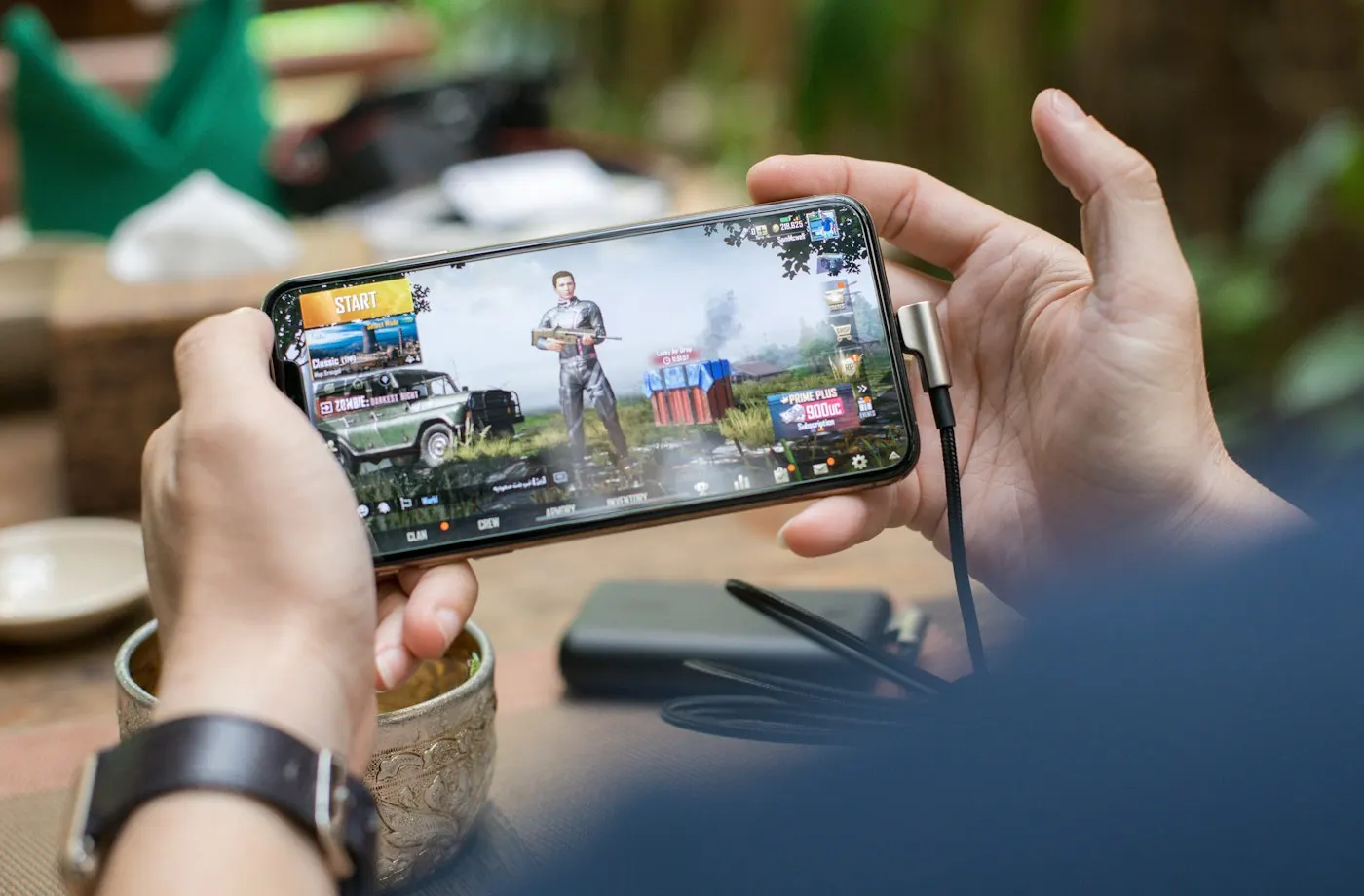
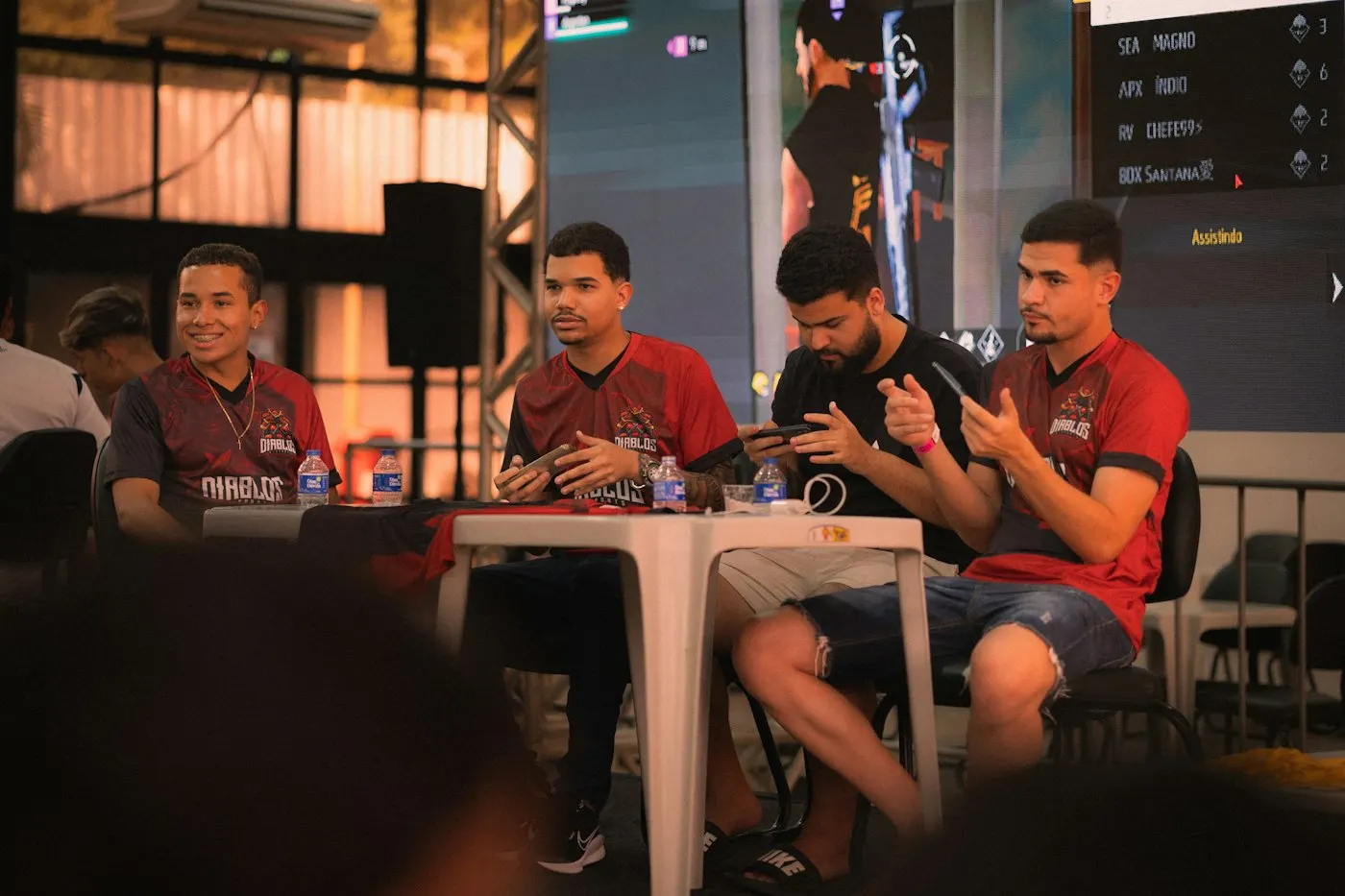
A combined EA-Savvy entity would not just own more games. It would own the pipeline that games move through, from the studio to the mobile store to the esports arena. EA supplies AAA sports and shooter franchises with built-in competitive audiences. Scopely and Moonton supply mobile distribution at a scale EA has never had on its own. ESL FACEIT supplies the tournament infrastructure to turn any of those titles into a televised or streamed competitive product, on venues PIF itself is building. That is a closed loop that no single company — not Tencent, not Microsoft, not Take-Two — currently controls end to end.
This is also why the story matters beyond gaming headlines: it is a preview of a new ownership model, where a sovereign wealth fund runs an entertainment conglomerate the way an activist private equity firm would, but with a state's balance sheet and a decades-long time horizon instead of a five-year exit target.
✦ Free Newsletter ✦
Never miss a story
Tools, tutorials and AI deep-dives - straight to your inbox, every week.
Why the Timing Isn't Random
Reports from outlets including TheGamer, Ghacks, and GodIsAGeek, citing people familiar with the discussions, say a formal EA-Savvy merger is not expected before Savvy finishes closing the Moonton acquisition, and that any combination of companies this large would need to clear its own regulatory review. That is not a small hurdle: the standalone EA buyout took from a September 2025 announcement to an August 2026 close, including a CFIUS national-security review that ran until July 30, 2026, specifically because a foreign state-backed fund was buying a company that publishes military-themed titles and holds large volumes of user data.
Advertisement
A merger stacking EA on top of Savvy's mobile and esports assets would put an even larger share of global gaming IP and player data under one sovereign-linked owner, which is exactly the kind of concentration regulators in the US, UK, and EU have scrutinized in other industries. Expect any formal filing to move slowly, not quickly.
The Honest Counterpoint: This May Not Happen at All
Every report on the merger talk uses careful language: "reportedly considering," "weighing," "no final decision has been taken." That is worth taking seriously rather than treating as boilerplate hedging. Large owners evaluate internal reorganizations constantly, and plenty of trial balloons like this one get shelved once the accounting, tax, and regulatory complexity becomes clear. PIF has also shown it is willing to let its gaming holdings operate with separate management rather than forcing full mergers — Scopely and ESL FACEIT still run as distinct businesses years after acquisition.
The safest reading right now is that PIF is testing the idea, not executing a plan. Readers should treat every specific structural detail — who reports to whom, whether EA keeps its own board, what happens to its public bond obligations — as unconfirmed until PIF or EA says so directly.
Who Should Actually Care
This matters most to three groups: EA players and modders who care about how the company is run under new, less transparent private ownership; investors and analysts tracking gaming and private-equity consolidation, since EA now carries roughly $20 billion in acquisition debt that has to be serviced somehow; and policy watchers following foreign sovereign investment in US media and entertainment assets, a topic that is getting more attention as PIF's portfolio grows. If you just want to know when the next EA Sports FC roster update lands, none of this changes your week.
A Decision Rule for Following This Story
Rather than reacting to every headline, use a short checklist to decide what's actually a signal:
- Treat it as noise if the news is another "sources say PIF is considering" report with no named executives or filed documents attached.
- Treat it as a real step when Savvy's $6 billion Moonton deal formally closes, since multiple reports tie the EA-Savvy decision to that closing first.
- Treat it as confirmation only when EA, Savvy, or PIF issue an actual joint statement or regulatory filing, not when a report cites unnamed people familiar with the matter.
- Watch EA's studio and workforce announcements in the months after closing — post-buyout cost pressure, not a merger announcement, is usually the first visible sign of a new owner's priorities.
What Comes Next
The realistic timeline is months, not weeks. Savvy still needs to close Moonton, and any EA-Savvy combination would need its own antitrust and national-security review layered on top of what the original EA deal already went through. In the meantime, the more immediate story for most players is unrelated: this fall's release calendar, including games racing to launch before GTA 6, will do more to shape what people actually play than a corporate restructuring will. But for anyone tracking who owns the gaming industry's biggest franchises, the direction is now clear: one sovereign wealth fund is assembling a company that would touch console gaming, mobile gaming, and esports all at once, and the EA deal was only step one.
Advertisement
Sources
- Saudi Arabia's PIF Reportedly Wants To Merge EA And Savvy Games Group - TheGamer
- Saudi Arabia's PIF Reportedly Considers Merging EA With Savvy Games Group - Ghacks
- Leveraged buyout of Electronic Arts - Wikipedia
- Savvy Games Group - Wikipedia
- Electronic Arts: Record-Setting $55bn LBO - CreditSights
- Savvy Games Group will acquire MLBB publisher Moonton - Outlook Respawn
Featured photo by Andrew Haha Lee on Unsplash.

Advertisement