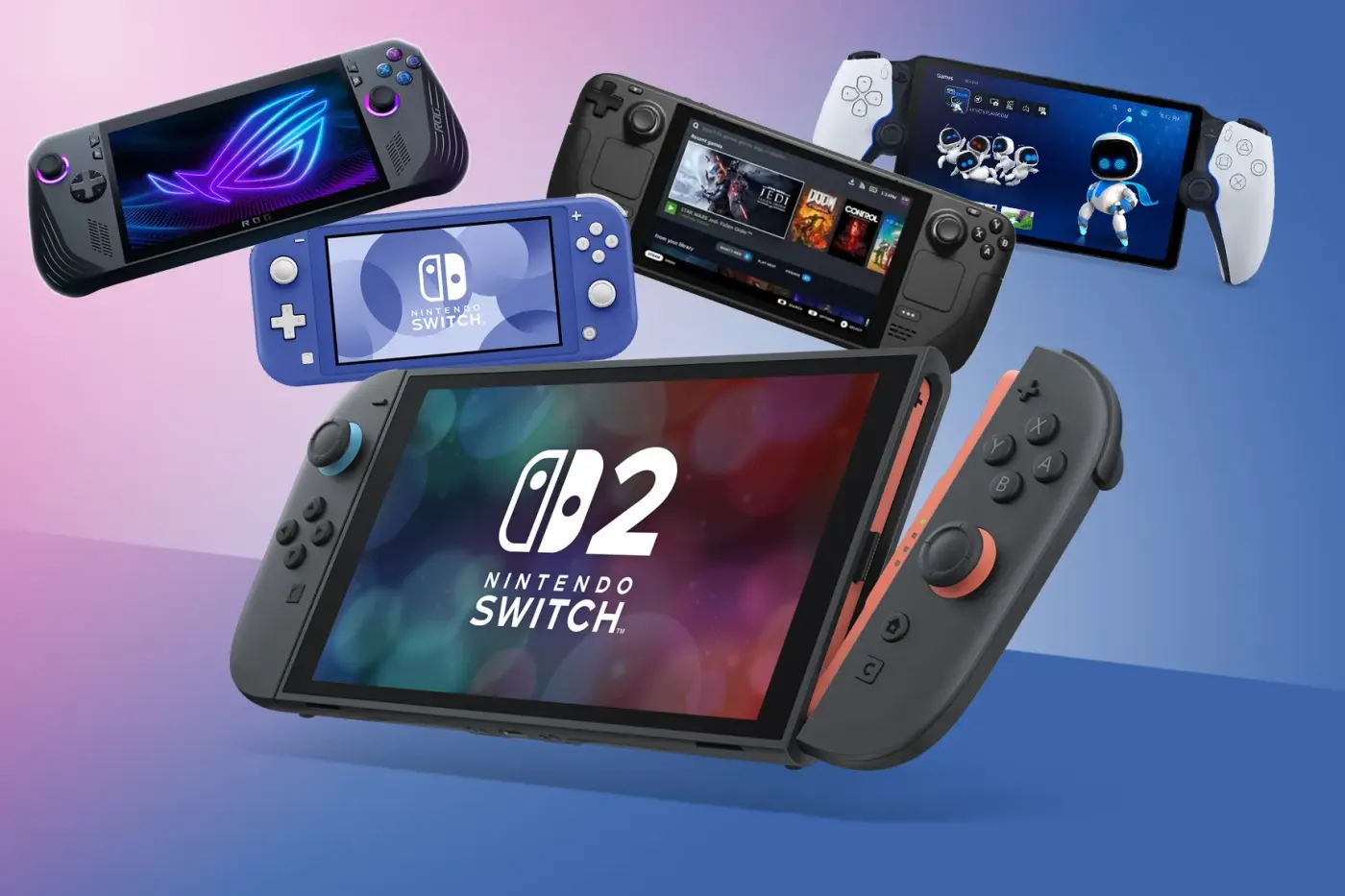
Three years ago, buying a handheld gaming PC meant accepting a long list of trade-offs and telling yourself it was worth it anyway. Battery life that barely survived a flight. Fan noise that made quiet rooms uncomfortable. Performance that required dropping every setting to low just to hit a playable frame rate. You bought one because the idea of PC games in your hands was compelling enough to forgive what the hardware couldn't yet deliver.
Computex 2026, held in Taipei in early June, was the moment that calculation flipped. The devices shown this year were not impressive despite their compromises. They were simply good - competitive with dedicated gaming laptops in some respects, while still fitting in a bag.
Here is what actually changed, why it happened now rather than two years ago, and what it means if you are thinking about buying one.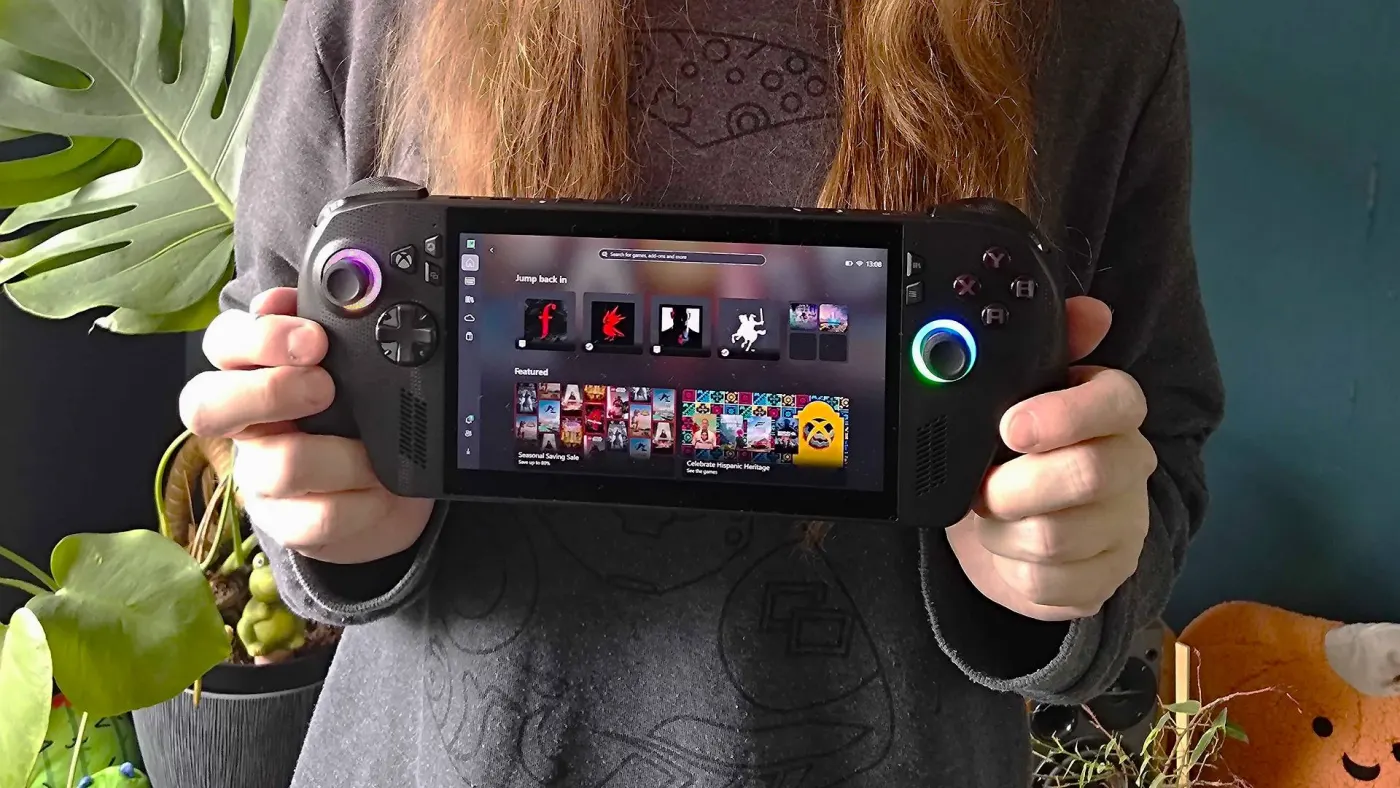
Advertisement
The Devices That Defined the Show
The MSI Claw 8 EX AI+, the Acer Predator Atlas 8, and the ASUS ROG Xbox Ally X20 - released for the franchise's 20th anniversary - were the three handhelds generating the most attention on the show floor, and they reinforced a consistent message rather than competing on wildly different visions. Better ergonomics. Smarter cooling, including Acer's 89-blade metal AeroBlade fan design. Battery capacity pushing toward 80Wh, a substantial jump from the 40-50Wh batteries that defined the first generation of serious handhelds. Refined full-screen Windows 11 Xbox Mode software that finally makes Windows feel designed for a handheld rather than awkwardly shrunk onto one.
The shift in tone from manufacturers was as notable as the specs. Two years ago, the pitch was "handheld PCs are viable, trust us." In 2026, manufacturers stopped trying to prove the category works and started competing to build the best version of it. That distinction matters more than any individual spec bump, because it signals the category has moved from experimental to established - which changes how much engineering investment goes into solving the remaining hard problems.
Intel Finally Shows Up to a Fight AMD Has Been Winning Alone
The most significant single development at Computex was Intel's entry into a category that AMD has effectively owned since the Steam Deck and ROG Ally established the modern handheld gaming PC as a real product category.
Intel's new handheld-focused silicon pairs a 14-core CPU configuration with 12 next-generation Xe3 Celestial graphics cores, including hardware ray tracing support and Intel's XeSS 3 upscaling technology with multi-frame generation. On paper, this is the first Intel chip genuinely built to compete in a space AMD has dominated through its APU designs for several years running.
Why this matters beyond simple competition: AMD's dominance in handheld gaming silicon has meant limited competitive pressure on pricing, feature development, and the pace of generational improvement. A credible Intel competitor changes that dynamic immediately. Manufacturers building handhelds now have a genuine choice of silicon supplier rather than a default, and that competitive pressure historically produces faster improvement and more aggressive pricing than a single-supplier market does.
Whether Intel's first generation handheld chips actually outperform AMD's latest in real-world gaming benchmarks remains to be independently verified outside controlled demo conditions - Computex demos are, by nature, curated to show a product in its best light. But the credible threat alone is already affecting how the category develops, and that is worth taking seriously independent of how the first head-to-head benchmarks land.
ARM Enters the Conversation - And It Is Not a Joke Anymore
For years, the idea of ARM-based processors seriously competing with x86 chips from AMD and Intel in performance-focused PC categories was treated as a future possibility rather than a current reality. Computex 2026 was the show where that changed, at least in terms of credible technical positioning.
The honest assessment from engineers and journalists who spent time with ARM-based demos at the show: ARM will almost certainly not replace x86 overnight, and anyone predicting an imminent wholesale platform shift is overstating the moment. But for the first time, ARM-based computing genuinely felt less like an interesting compromise and more like a platform capable of scaling credibly from ultraportable laptops all the way up to AI-focused workstations - a much more formidable competitive position than ARM has held in PC computing previously.
Advertisement
For handheld gaming specifically, ARM's power efficiency advantages are directly relevant. Battery life is one of the most persistent limitations in the category, and a platform that can deliver competitive gaming performance at meaningfully lower power draw than equivalent x86 silicon would be a genuine structural advantage rather than an incremental one. Whether ARM-based gaming handhelds become a serious commercial category in the next two to three years, or remain a promising direction that takes longer to commercialise, is the open question coming out of this year's show.
NVIDIA and MediaTek's RTX Spark - The Chip Built for the AI PC Era
The single most talked-about hardware partnership announcement at Computex 2026 was not handheld-specific, but it has direct relevance to where handheld gaming silicon is heading.
NVIDIA and MediaTek jointly announced RTX Spark, described as NVIDIA's first genuine consumer-facing CPU platform. Each chip combines a 20-core MediaTek-designed CPU with an NVIDIA Blackwell-architecture GPU carrying 6,144 CUDA cores - roughly comparable to a desktop RTX 5070 - and supports up to 128GB of unified memory. The platform is explicitly positioned for the emerging "AI PC" category, with devices expected to ship starting in early autumn 2026.
This is not a handheld gaming chip in its initial framing, but the underlying architecture - a single chip combining serious CPU and GPU capability with unified memory, designed for power-efficient always-on AI processing alongside graphics performance - maps closely onto what handheld gaming devices need. Watch this space over the next 12 to 18 months: a Spark-derived chip purpose-built for handheld form factors would represent a serious new entrant into a market currently split primarily between AMD and the new Intel challenger.
✦ Free Newsletter ✦
Never miss a story
Tools, tutorials and AI deep-dives - straight to your inbox, every week.
The Software Side Finally Caught Up to the Hardware
Hardware improvements get most of the attention in handheld coverage, but the software experience has historically been the bigger limitation, and 2026 marks genuine progress on that front specifically.
Microsoft's refined full-screen Xbox Mode for Windows 11 handhelds addresses what has been the most consistent complaint about Windows-based handhelds since the category began: that running a desktop operating system on a small touchscreen, with a traditional taskbar and window management designed for a mouse and keyboard, produced a genuinely frustrating experience compared to the purpose-built simplicity of Valve's SteamOS on the Steam Deck. The 2026 version of Xbox Mode is a proper full-screen, controller-optimised interface that boots directly into a console-like experience, with the traditional Windows desktop available but no longer the default or the obstacle it once was.
Microsoft's Prism compatibility layer - allowing software built for one processor architecture to run effectively on another - also matters more than it might initially seem, particularly as ARM-based options enter the conversation. A compatibility layer that genuinely works reduces the risk of buying into a new architecture and discovering your existing game library does not run properly, which has historically been one of the biggest barriers to adopting any non-standard PC architecture for gaming specifically.
Advertisement
NVIDIA's DLSS 4.5 with Ray Reconstruction - a second-generation transformer model specifically targeting image quality in the noisy, under-sampled regions of ray-traced frames - and continued anti-cheat support development for non-standard architectures rounded out a software showing that, by most accounts from people who spent meaningful time with the demos, made gaming on these devices feel polished in a way the category has not consistently achieved before.
The Quiet Trend: Manufacturers Refusing to Abandon Existing Platforms
One of the more unexpected and, in a quiet way, more consumer-friendly developments at Computex 2026 was not new hardware at all. It was a commitment to platform longevity that the PC hardware industry does not always prioritise.
AMD reaffirmed its commitment to the AM5 desktop socket through at least 2029 - extending a consumer-friendly upgrade path considerably longer than many had expected, meaning anyone who bought into the AM5 platform recently can reasonably expect future CPU upgrades without replacing their motherboard for several more years. AMD also expanded its mainstream graphics lineup with the new Radeon RX 9070 GRE specifically to combat rising component costs, reinforcing that the company sees ongoing value in supporting its existing architecture rather than only pushing buyers toward the newest, most expensive options.
This matters for the handheld conversation specifically because platform longevity questions are exactly the kind of consideration that gives cautious buyers pause about a relatively young product category. A buyer more confident that the underlying platform will receive sustained support and improvement over several years is a buyer more willing to invest in the category in the first place.
Displays Are Becoming Genuinely Multi-Purpose
A parallel trend worth noting alongside the handheld story: the monitors shown at Computex 2026 suggest the long-standing divide between work displays and gaming displays may finally be closing.
The MSI MPG OLED 322URDX36 triple-mode monitor demonstrated a fifth-generation QD-OLED panel using Penta Tandem technology that can scale dynamically across multiple resolution profiles depending on the type of content or game being displayed. The ASUS ROG Strix OLED XG259QWPG Ace pushed competitive esports refresh rates to 540Hz while retaining genuinely strong colour and contrast performance - historically a trade-off that high refresh rate displays sacrificed to achieve their speed. The Acer Nitro XV345CKR P combined 5K WUHD resolution with a 1,344-zone Mini-LED backlight and Dynamic Frequency and Resolution modes, aimed squarely at buyers who need a single display that handles both serious creative work and high-performance gaming without compromise on either side.
For anyone weighing a handheld purchase against a desktop or laptop setup, this trend is relevant context: the broader PC hardware ecosystem in 2026 is increasingly oriented around devices and displays that serve multiple purposes well, rather than forcing a choice between optimising for productivity or optimising for gaming.
Should You Buy a Handheld Gaming PC Right Now?
If you have been waiting for the category to mature before buying in, the Computex 2026 lineup is a reasonable point to stop waiting. The combination of genuinely competitive cooling solutions, meaningfully larger batteries, a software experience that no longer actively fights against the form factor, and real competitive pressure between AMD, Intel, and potentially ARM-based options pushing prices and performance in the buyer's favour, makes this the strongest moment the category has had since the Steam Deck first proved handheld PC gaming could work commercially.
Advertisement
The honest caveat: most of what was shown at Computex is demo-stage or just shipping, and independent, hands-on review benchmarks - run outside the controlled conditions of a trade show floor - are the real test of whether the claimed improvements in battery life, cooling, and performance hold up in ordinary use over weeks rather than a curated ten-minute demo session. Waiting two to three months for genuinely independent reviews of the Claw 8 EX AI+, the Predator Atlas 8, and the new Intel-powered devices specifically is a reasonable and low-cost form of patience given how recently these were announced.
What is not in question is the direction of the category. Handheld gaming PCs spent their first several years asking buyers to forgive their limitations in exchange for portability. 2026 is the year manufacturers stopped asking for forgiveness and started genuinely competing on merit.
That is a meaningfully different, and considerably more exciting, place for a hardware category to be.

Advertisement