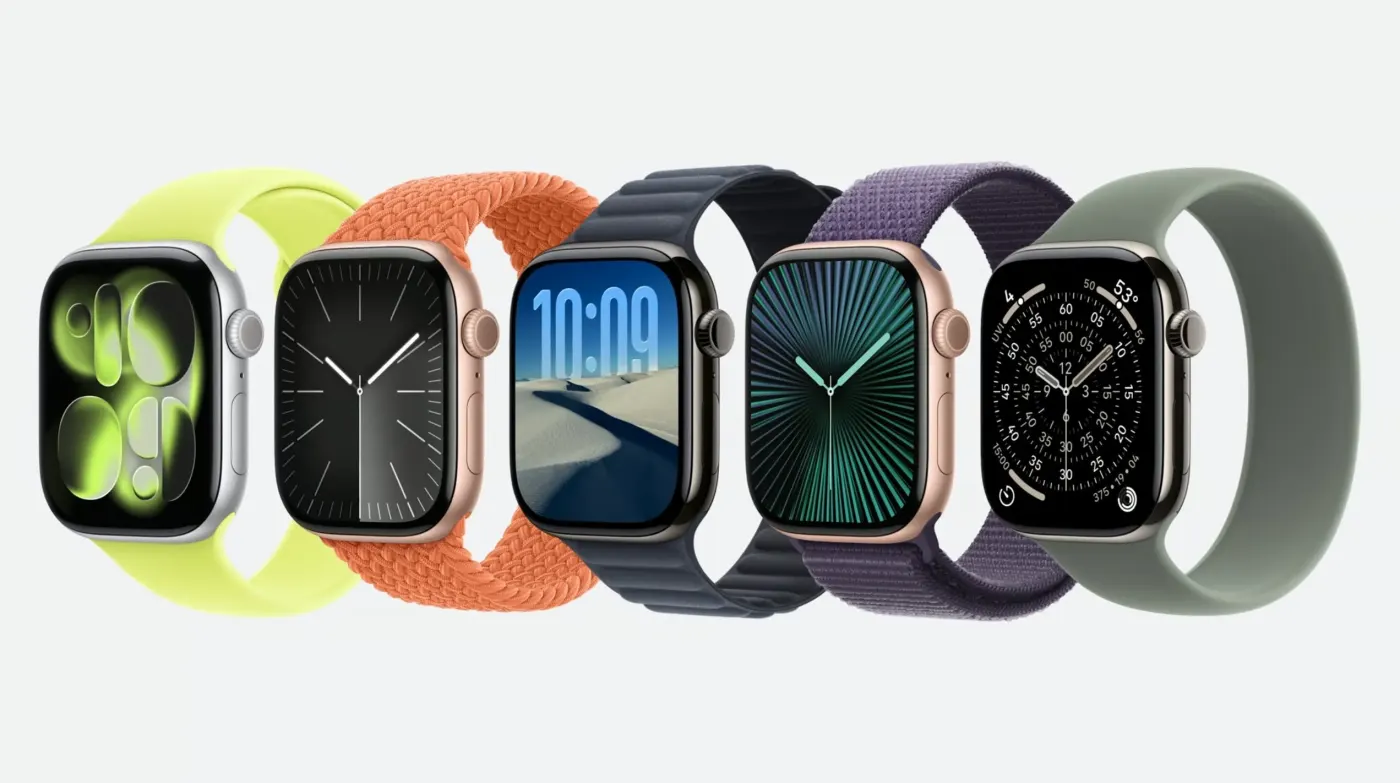
Nine months after launch, the Apple Watch Series 11 has had enough time in the real world for the initial excitement to settle and the honest verdict to emerge.
The honest verdict: it is the best smartwatch you can buy in 2026, by a margin that its closest competitors have not yet closed. It is also a watch that will frustrate anyone who bought a Series 10 last year, because the improvements - while genuinely useful - are not dramatic enough to justify a $399 upgrade from a perfectly good device you bought twelve months ago.
Both things are true simultaneously. Apple Watch does this every year, and every year it is worth being clear about who should buy it and who should not.
Advertisement
What Actually Changed From Series 10
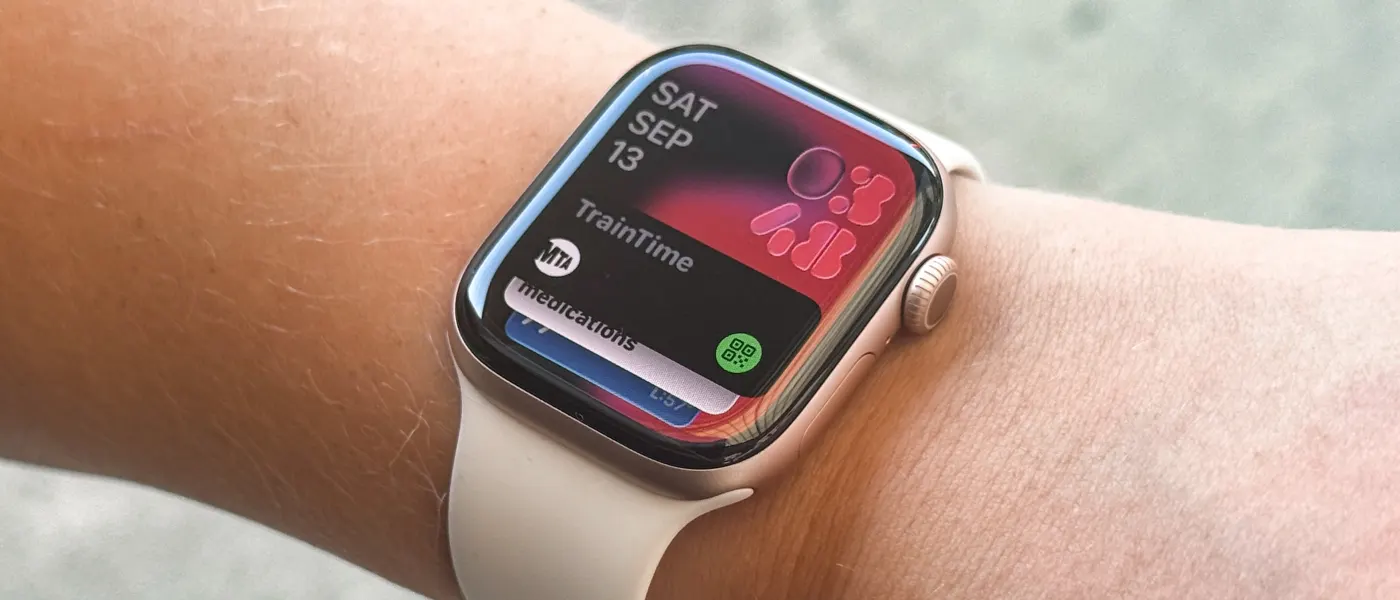
The Series 11 launched in September 2025 alongside the iPhone 17. The headline features Apple led with: longer battery life, hypertension notifications, more scratch-resistant glass on the aluminum model, and a 5G cellular option replacing the previous 4G LTE.
Starting with the battery - Apple claims the Series 11 lasts 24 hours in standard use and up to 72 hours in low-power mode. Real-world testing puts standard use closer to 28 to 36 hours depending on usage patterns, which meaningfully changes the charging behaviour for most people. The Series 10 was already fine for a full day. The Series 11 gives you a comfortable buffer that means a late-night charge or a forgotten morning charge does not leave you stranded in the afternoon. For heavy users who track sleep and workouts, the extra headroom is the difference between a watch that makes it and one that dies before dinner.
The glass upgrade on aluminum models - Apple moved to a tougher formulation that reduces surface scratching in everyday use - is the kind of improvement that sounds minor until you have owned a previous generation and watched the face accumulate hairline scratches over six months of normal use. Titanium models already had superior scratch resistance. Aluminum buyers now get closer to that durability without the $300 price premium.
5G cellular is the addition that generates the most debate. The argument for it: faster data when your iPhone is not nearby, better call quality when using the watch independently, future-proofing for services that will require 5G connectivity. The honest argument against: for the way most people use an Apple Watch - primarily as an iPhone companion with occasional independent use - the practical difference between 4G LTE and 5G in day-to-day scenarios is small. The $100 premium for cellular over GPS-only remains, and 5G adds another $100 on top for the base aluminum model. Whether you feel the speed difference depends significantly on where you live and what cellular infrastructure your carrier has deployed.
The hypertension notification feature deserves its own section because it represents something genuinely new in what a consumer wearable can do.
Blood Pressure Monitoring - What It Actually Does and What It Doesn't
The Apple Watch Series 11's blood pressure feature is one of the most misunderstood additions in recent Apple Watch history. Let's be precise about it.
The watch does not measure your blood pressure in the way an arm cuff does. It does not give you a systolic and diastolic reading. What it does is monitor patterns in your blood flow and cardiovascular signals over time, establish your baseline, and send a notification when it detects patterns consistent with elevated blood pressure trends - the kind of pattern that warrants a conversation with a doctor.
Apple calls this Hypertension Notifications rather than blood pressure monitoring, and the distinction is deliberate and accurate. This is a screening and alerting tool, not a diagnostic one. It is designed to catch people who might have hypertension and not know it - one of the most significant public health problems in developed countries, where millions of people are walking around with elevated blood pressure that is silently damaging their cardiovascular system without producing symptoms they would notice.
For that specific use case - early warning for a condition that has no obvious symptoms - the feature is genuinely valuable. The number of people who will be prompted to check with their doctor, receive a hypertension diagnosis, and start treatment earlier than they otherwise would is not small. From a public health perspective, getting this feature onto 100 million wrists is significant.
The limitation worth being honest about: like the blood oxygen monitoring added in Series 6 and the AFib detection added in later generations, the blood pressure signals feature performs better as a population-level health tool than as a precise individual diagnostic. Your watch telling you blood pressure patterns look elevated is a reason to book an appointment, not a replacement for an appointment.
The Design That Has Not Changed - And Why That Is Fine
The Series 11 looks identical to the Series 10. Same case dimensions, same display size in both 41mm and 45mm options, same flat-faced design with the curved corners that Apple settled on after years of iteration. The colours have been refreshed - new options in the aluminium range - but the fundamental form has not moved.
This is the right call, and it is worth saying so clearly in a tech landscape where "no design changes" is frequently written as a criticism.
The Apple Watch design reached a genuinely good place with the Series 10. The case is comfortable on all but the smallest wrists, the display is large enough to be usable, the Digital Crown and side button placement is correct, and the band system - while rumoured to be changing in future generations - works. There is no obvious problem to solve with the chassis.
Changing the design every year or two would require existing band owners to rebuy accessories, confuse buyers about compatibility, and potentially introduce new problems alongside any improvements. Apple's decision to hold the design and improve the internals is consumer-friendly in a way that the tech press tends to underrate.
The band compatibility situation: Series 11 uses the same connector system as Series 4 through 10, meaning the extensive ecosystem of third-party and Apple bands remains compatible. If you have invested in bands you like, nothing changes.
watchOS 26 - The Software That Makes Hardware Irrelevant to Many Buyers
Here is the thing that Apple Watch coverage consistently undersells: a significant portion of the features people associate with the Series 11 are actually watchOS 26 software features, available on earlier Apple Watch hardware.
The new Smart Stack improvements. The updated workout detection. The refined sleep tracking. The better third-party app integration. Many of these run on Series 6, Series 7, and Series 8 hardware that is several years old.
✦ Free Newsletter ✦
Never miss a story
Tools, tutorials and AI deep-dives - straight to your inbox, every week.
This matters for the upgrade decision more than any hardware spec. If you have a Series 9 running watchOS 26, your watch is doing nearly everything the Series 11 does. The hardware differences - battery, processor speed, the glass upgrade, 5G - are real but incremental. The software experience is largely shared.
The Siri AI overhaul announced at WWDC 2026 - which will arrive on Apple Watch with watchOS 27 later this year - is the software feature most likely to create genuine hardware differentiation. The new Siri requires the processing capability of more recent hardware. If early indications hold, Series 9 and earlier watches may not get the full Siri AI experience. Series 10 and 11 are expected to be in the supported tier. That is not confirmed, but worth factoring into a purchase decision if the rebuilt Siri matters to you.
The Comparison Every Buyer Is Actually Making
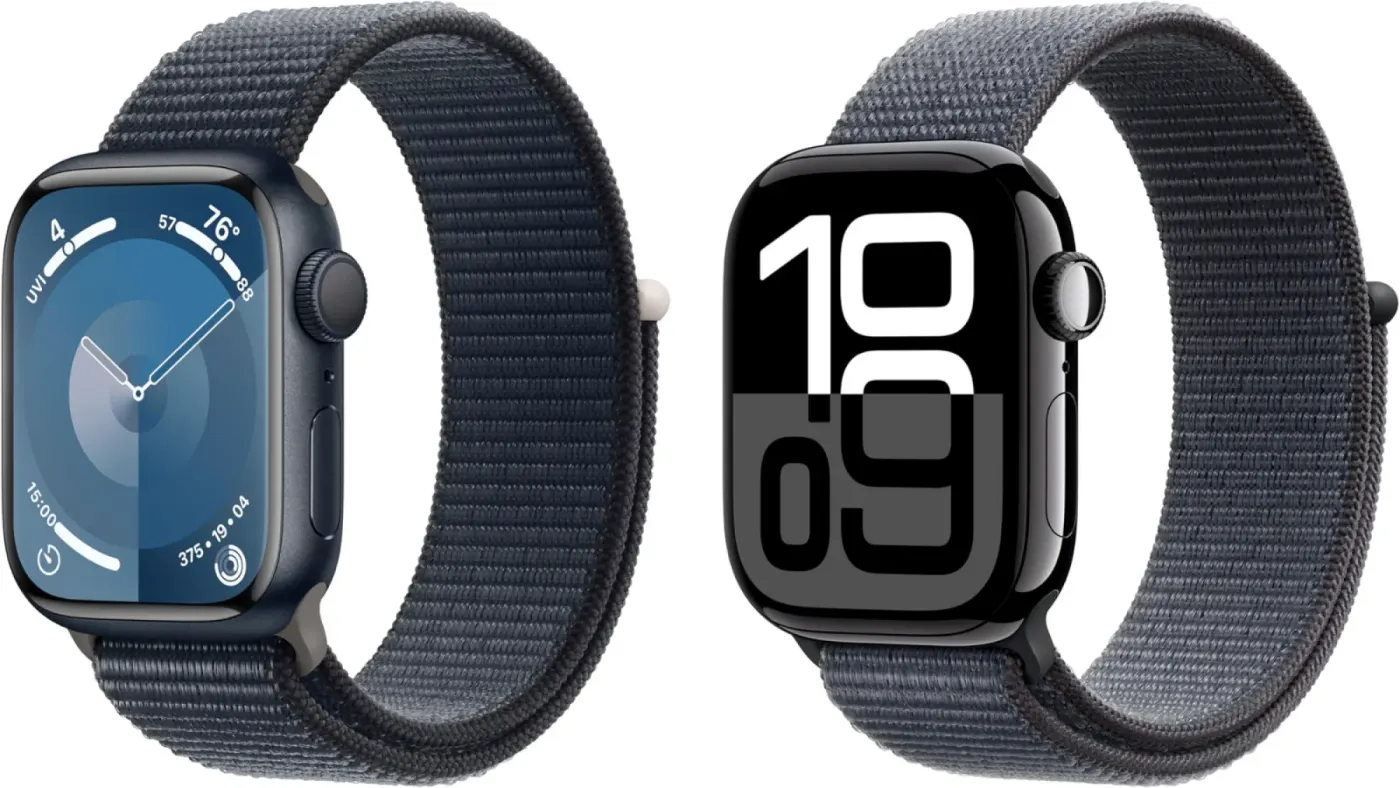
Apple Watch versus every other smartwatch is a category comparison that tends to go one way fairly consistently, so let's be direct about it.
Samsung Galaxy Watch 7 is the most capable Android smartwatch and the most credible alternative for Android users. The health tracking is comprehensive, the design is polished, and the Google Pixel Watch integration is well-executed for Pixel owners. For iPhone users, it is not a realistic alternative - the iOS integration is too limited to make it worth considering over Apple Watch regardless of feature parity on paper.
Garmin's watches - the Fenix 8 series, the Forerunner range - are the choice for serious athletes who prioritise battery life, GPS accuracy, and training metrics over everything else. A Garmin Fenix 8 lasts two to three weeks on a charge and tracks activities with a precision that Apple Watch does not match. If you run ultramarathons, do serious open-water swimming, or need a device that genuinely disappears into the background of your training life without needing daily charging - Garmin is the answer, and Apple Watch is not the right tool for that job.
For everyone else - which is the vast majority of Apple Watch buyers - the comparison is Apple Watch vs Apple Watch. Series 11 vs Series 10 vs Series 9. And there the answer depends on what you currently have.
Who Should Buy the Series 11 Right Now
Series 8 or older - yes, upgrade. The battery improvement, the health features added across Series 9, 10, and 11, and the crash detection and temperature sensing that arrived in Series 8 all add up to a meaningful generational step. The Series 11 will also be better positioned for the watchOS 27 Siri AI features arriving later this year.
Series 9 - probably not. The differences between the 9 and 11 are modest. Better glass on aluminum, marginally better battery, 5G, hypertension notifications. If one of those specifically matters to you, the upgrade makes sense. Otherwise, the Series 9 is a fine watch that will serve you well for another two years.
Series 10 - almost certainly not. You bought a device nine months ago that is functionally nearly identical to the Series 11. The battery is slightly worse than the 11, the glass is slightly less scratch resistant, you have 4G LTE instead of 5G. None of that is worth $399.
First-time buyer or coming from a non-Apple smartwatch - yes, the Series 11 is the right choice. Do not buy a Series 10 to save $50 when you can get the current generation at the start of a product cycle that will see two to three years of software support. The difference in longevity is worth the small premium.
The Series 12 Question
Since the Series 11 is midway through its cycle, the Series 12 question is worth addressing for anyone on the fence.
Apple's autumn 2026 event - expected in September alongside the iPhone 18 - is widely anticipated to bring a Series 12. Current expectations are conservative: a faster S12 chip, continued improvements to health sensors, and potentially the blood glucose monitoring capability that Apple has been working toward for years. Major design changes are not expected until 2028 at the earliest.
Blood glucose monitoring - non-invasive continuous glucose tracking from the wrist - has been Apple's most ambitious health sensor project and the one that has consistently slipped. If it arrives in the Series 12, it would represent the most significant health feature addition since ECG and would substantially change the upgrade calculation for diabetics and people monitoring metabolic health. The current state of the rumours suggests it is still not certain for 2026.
If you are buying for yourself or someone else right now - the Series 11 is a good purchase. If you are specifically hoping for blood glucose monitoring, waiting until September to see what the Series 12 brings is the rational choice.
The Bottom Line
The Apple Watch Series 11 is the best smartwatch available in 2026. It does more health monitoring than any competitor, integrates more deeply with iPhone than any alternative, has the broadest app ecosystem, and the build quality is excellent at every price tier.
It is not a dramatic upgrade from the Series 10 or Series 9. Apple Watch rarely is, year to year. The product is mature enough that meaningful improvements happen at the component and sensor level rather than through visible reinvention.
What the Series 11 does is take a product that was already very good and make it better in the specific ways that compound over the life of the device - battery that gives you more margin, glass that stays cleaner-looking over time, health features that catch things the previous generation missed.
For a device that sits on your wrist every day, every one of those improvements is felt a little bit, every day, for the years you own it. That is harder to quantify than a spec comparison but easier to appreciate than a benchmark.
At $399 for the aluminum GPS model, the Series 11 earns its price. Just make sure you are coming from a generation where the improvements actually show up in your daily experience - and if you are on a Series 10, stay put and wait for September.

Advertisement