Keir Starmer stood outside Downing Street on Monday and said something that every parent of a teenager wants to hear: "I am not prepared to compromise on the safety and happiness of our children."
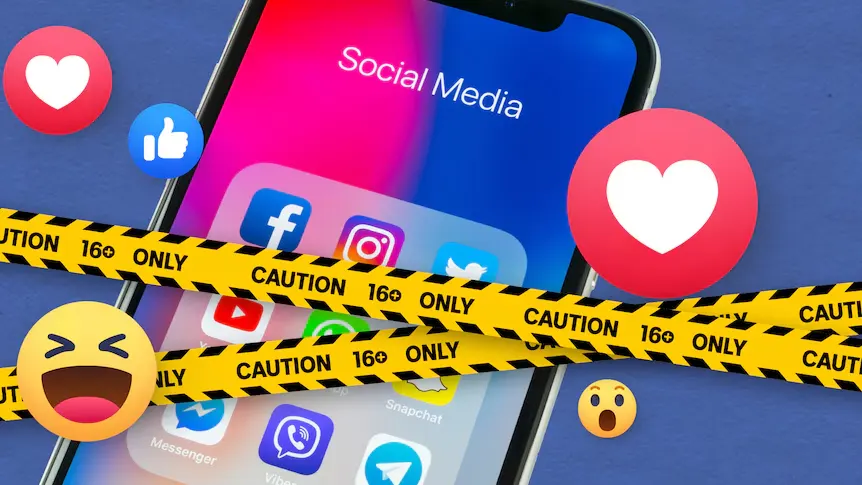
The policy attached to that statement is a full ban on social media for anyone under 16 in the UK - TikTok, Instagram, Snapchat, YouTube, Facebook, X, Bluesky, and any other platform that meets the definition of social media under the amended Online Safety Act. The platforms have until later this year to implement age verification robust enough to exclude under-16s. Platforms that fail to do so face multimillion-pound fines. Enforcement action, Starmer said, will target the companies - not the children.
The announcement is being described as the most far-reaching online restriction of its kind in the world, going further than Australia's ban that came into force in December 2025. The political impulse behind it is real, the public support is genuine, and the grief that drove it - bereaved families whose children were harmed by content they encountered through social media algorithms - is impossible to dismiss.
Advertisement
And the experts - the people who actually study what social media does to adolescent brains - are saying the science does not support what the policy assumes.
Both things are true, and the gap between them is the most interesting part of this story.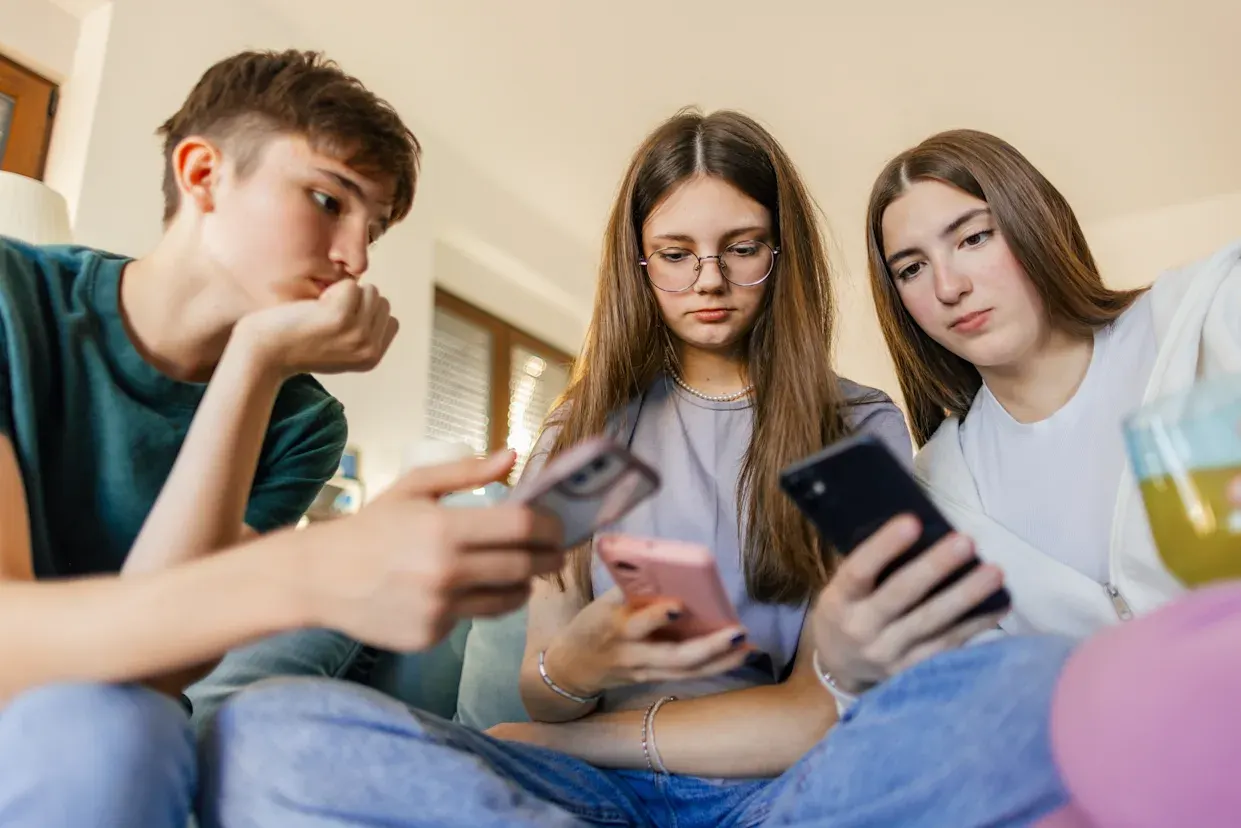
What the Ban Actually Says
Before getting into the enforcement questions, the policy details are worth being precise about.
The ban covers the major social media platforms: TikTok, Instagram, Snapchat, YouTube, Facebook, X, and Bluesky - which was confirmed today by technology minister Liz Kendall as falling within the definition despite the platform's smaller scale. The list is defined by the amended Online Safety Act's categorisation of platforms rather than a named list, meaning new platforms that meet the definition would be covered automatically.
Excluded from the ban: YouTube Kids, WhatsApp, Signal, and other direct messaging services. The logic is that one-to-one messaging and age-appropriate content platforms are distinct from the algorithmically driven feeds that are the primary concern.
The mechanism for enforcement is age verification at the platform level, not at the device level. Platforms must implement systems that prevent under-16s from creating accounts or accessing content. What constitutes acceptable age verification is being developed in consultation with Ofcom, the UK's communications regulator, but is expected to involve some combination of digital ID verification, credit card checks, or third-party age verification services.
Penalties for non-compliant platforms are drawn from the Online Safety Act framework: fines of up to 10% of global annual revenue, with the possibility of service blocking in the UK for serious or persistent non-compliance. These are meaningful numbers for even the largest platforms. Meta's 10% would be billions of pounds.
The Science That Politicians Are Not Citing
Here is the part of the coverage that is getting substantially less attention than Starmer's press conference soundbites.
The week the ban was announced, academics appeared before the UK's Science, Innovation and Technology Committee to address exactly the question the policy rests on: does social media actually harm children's brains?
Professor Denis Mareschal, director of the Centre for Brain and Cognitive Development at Birkbeck College, said: "There is very little, if any, causal research in the early years."
Professor Sarah-Jayne Blakemore of the University of Cambridge said the impact of "digital devices or social media" on adolescent brains amounted to "almost nothing."
Professor David Ellis, Chair of Behavioural Science at the University of Bath, was more pointed: "This ban is based on worry, not evidence. The evidence base as it stands suggests social media has a minuscule effect, if any, on teenagers - particularly once you account for the other factors we know shape childhood development."
These are not fringe views. They represent a significant strand of academic opinion that has been making the same argument for several years, most prominently through the work of researchers like Andrew Przybylski at the Oxford Internet Institute, whose large-scale studies of social media use and adolescent wellbeing have consistently found effects too small to be practically meaningful.
The researchers who do find significant harms - Jonathan Haidt's work on the "anxious generation" is the most widely cited - have faced serious methodological challenges from peer reviewers. The correlation between rising teenage mental health difficulties and rising social media use is real and documented. The causal relationship - that social media is causing the mental health difficulties rather than being correlated with them through other factors - is significantly harder to establish and significantly more contested.
None of this means teenagers are not being harmed by content they encounter online. Some clearly are. The cases that drove the UK's political response - children exposed to self-harm content, eating disorder communities, radicalising content - are real and documented. The question is whether a blanket age ban addresses those harms or whether it is a broad policy instrument applied to a more specific problem.
The Enforcement Problem Nobody Has Solved
Australia implemented its under-16 social media ban in December 2025. Six months later, the honest assessment from Australian researchers and policymakers is that teenage access to social media has not measurably declined.
The workaround is straightforward and teenagers are well aware of it: VPNs make it trivially easy to appear to be in a different country. Age verification systems based on self-declaration are defeated by entering a different date of birth. More sophisticated verification systems - those requiring photo ID or credit card details - push the problem to parents sharing their credentials, which a significant number of UK parents will do for their children because the alternative is managing a teenager who cannot access what all their friends can access.
Starmer acknowledged this directly at the press conference. "Some teens will try to find their way around a ban," he said. This is not a fringe scenario. It is the primary behaviour pattern observed in every analogous age restriction applied to online services.
✦ Free Newsletter ✦
Never miss a story
Tools, tutorials and AI deep-dives - straight to your inbox, every week.
The meaningful question is not whether the ban will eliminate teenage social media use. It clearly will not. The question is whether partial compliance - reducing access for a proportion of under-16s, raising friction for others - produces enough benefit to justify the costs and the design implications.
The costs are not trivial. Age verification at scale raises serious privacy concerns: systems that verify age necessarily collect identity data, and the security and retention of that data across multiple platforms is a non-trivial risk. The platforms that are most likely to implement robust verification are the regulated mainstream ones - TikTok, Instagram, YouTube. The platforms that will not bother are the unregulated, less visible corners of the internet that are frequently more dangerous precisely because they have no moderation at all.
Professor Ellis flagged this directly: the ban "risks pushing teenagers towards less regulated parts of the internet." This is not speculation. It is the documented pattern from alcohol and gambling restrictions, where hard blocks on primary channels redirect a portion of demand to secondary channels with weaker controls.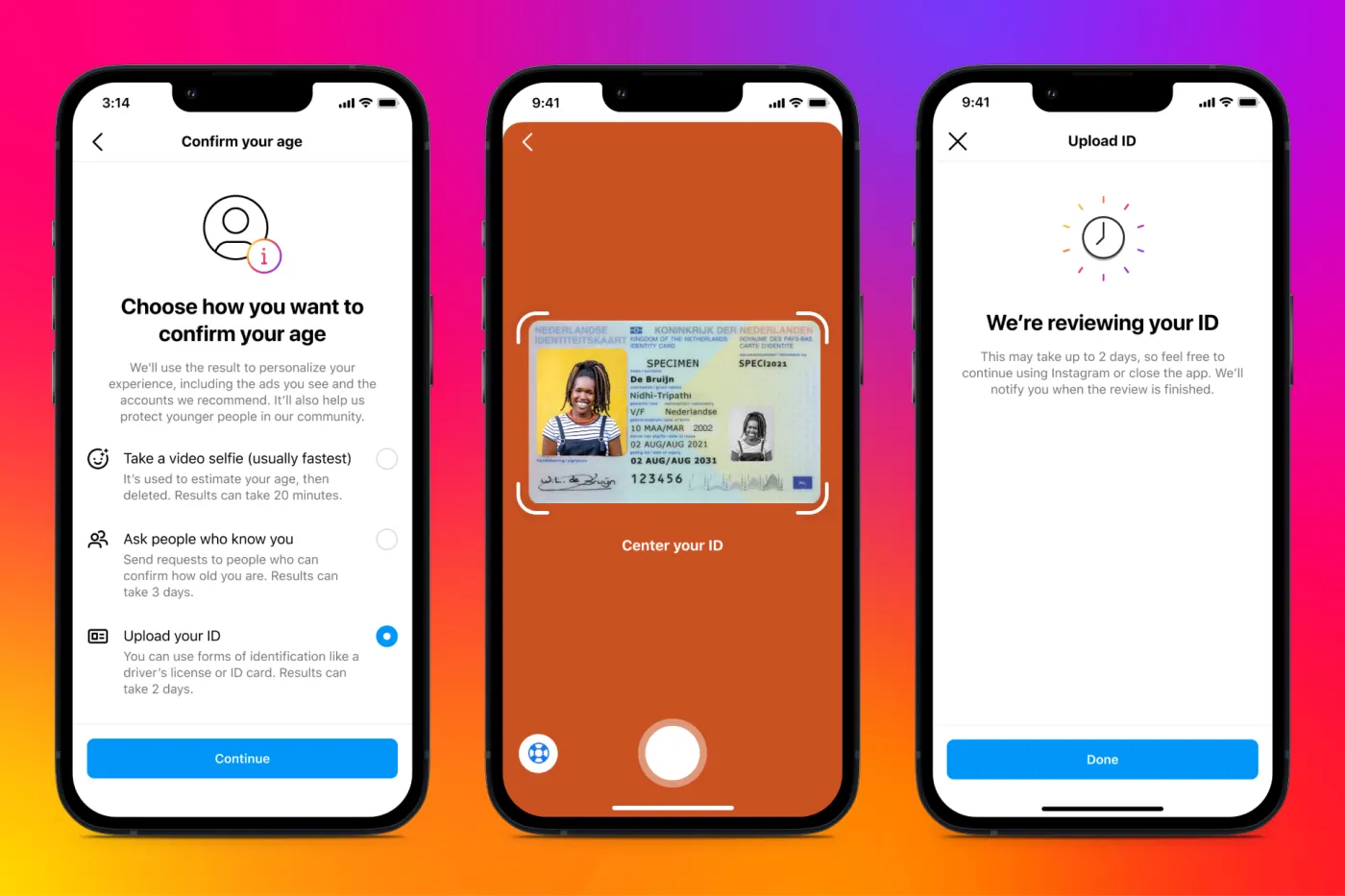
The Political Logic That Makes This Happen Anyway
Understanding why this policy is happening requires understanding the political context, not just the evidence base.
The families who campaigned for this ban are not wrong that their children were harmed. Brianna Ghey, Molly Russell, and the other young people whose deaths were connected to harmful social media content are not abstractions. They are the lived human cost of algorithmic amplification of harmful material to young people whose developing brains process distressing content differently from adults.
Keir Starmer's response to those families - "I am not prepared to compromise on the safety and happiness of our children" - is not a cynical political calculation dressed up as principle. It is a genuine political commitment, backed by genuine public sentiment. Polling consistently shows large majorities of UK parents supporting social media restrictions for under-16s.
The political economy of child safety policy has a consistent structure: the harm from action (reduced effectiveness, privacy costs, regulatory overreach) is diffuse and uncertain. The harm from inaction (continuing to be the government that did nothing while children were harmed by social media) is vivid and politically damaging. In this environment, doing something visible is more defensible than doing something nuanced.
The Opposition has also effectively backed the policy. Kemi Badenoch, Conservative leader, wrote that banning social media for under-16s "is the right thing to do" - as a parent and as a Conservative. This cross-party consensus removes the political risk of action and makes inaction more exposed than usual.
What Actually Happens to the Platforms
The reaction from the platforms will be watched closely over the next several months as Ofcom develops the specific technical requirements.
Meta, which owns Instagram, Facebook, and Threads, has been anticipating this regulatory direction for long enough to have built Teen Accounts - a restricted mode for under-18s implemented in 2024 that limits content, restricts contact from unknown adults, and enforces time limits. This is not the same as an under-16 ban, but it demonstrates that Meta has invested in the capability to apply age-based restrictions to accounts.
TikTok already limits features for accounts identified as belonging to under-16s in markets where it operates under stricter regulation. The question is whether the UK ban requires categorical exclusion of under-16s or whether a restricted-features mode is sufficient.
YouTube's situation is complicated by the exemption for YouTube Kids. A 15-year-old excluded from YouTube but permitted to use YouTube Kids is a regulatory outcome that is hard to implement practically - the platforms are distinct but a teenager who wants to access YouTube can do so through a different account.
The most aggressive interpretation of the ban - requiring platforms to categorically prevent any under-16 from creating an account or accessing content - would require age verification infrastructure that does not currently exist at the scale and reliability needed. Building it takes time and raises the privacy concerns above. Ofcom's implementation guidance, expected later this year, will determine how strictly the requirement is interpreted.
The More Honest Policy Question
Here is what gets lost when social media bans are framed as a binary between protecting children and leaving them exposed.
The specific harms most clearly connected to tragic cases - algorithmic amplification of self-harm content, eating disorder communities, radicalising material - are not general features of being on TikTok or Instagram. They are features of the recommendation systems that optimise for engagement by serving increasingly extreme content to users who engage with distressing material.
A policy targeted at algorithmic amplification - requiring platforms to demonstrate that their recommendation systems do not serve harmful content to accounts identified as belonging to under-16s, with meaningful penalties for failure - would be harder to circumvent, more directly connected to the documented harms, and less likely to produce the unintended consequence of pushing teenagers to unregulated platforms.
This is roughly what Australia's original consultation recommended before the blanket ban emerged as the political outcome. It is what many of the researchers and child safety experts who are not family campaigners continue to recommend.
It is also less headline-friendly than "we banned social media for children" and involves telling platforms to fix their algorithms rather than exclude an age group - a technically harder regulatory task.
Whether the UK's ban produces meaningful improvements in teenage mental health and safety will be visible in data over the next two to three years. Australia's experience over the next year will be the first real test of whether blanket age bans change outcomes or primarily change where teenagers do what they were doing anyway.
The grief that drove this policy is real. The policy itself may not be the most effective response to that grief. Holding both of those things simultaneously is the honest position - even if it is not the one that plays well at a Downing Street press conference.
Advertisement